
Observe where water first appears
Record whether the first moisture appears on the interior glass, between glass panes, at the skylight frame, along the drywall shaft or at a ceiling joint beyond the unit. A photograph taken as the symptom begins is more informative than one taken after the whole shaft is wet.
Water beginning on the interior glass during cold, dry weather suggests condensation, while rain-correlated wetness at the trim or roof junction raises concern about exterior entry. Neither observation alone identifies the defective part, but it helps target inspection.
Flashing is a separate assembly from the skylight
A skylight is a roof penetration. Water shedding depends on compatible head, side and sill flashing, roof-covering integration and sometimes curb-mounted details. Each piece must direct water onto the weather-facing side of the next lower layer.
If a roofer replaces shingles near a skylight without preserving the original flashing system, a leak may begin even though the glass is sound. The DOE Building Science Education resource explains that skylights need detailed water management where the roof water-control layer is interrupted.
Head flashing, side flashing and lower sill
Water approaching from uphill should be diverted around the skylight rather than allowed to pond against an upper frame. Side details must integrate with individual shingle courses where that roof system requires it. The lower apron then directs water back over the shingles toward the eave.
Leaks from the upper corner during prolonged rainfall may suggest a head or side detail, but framing paths can relocate the visible drip. The exact manufacturer kit and roof pitch matter. Do not assume an improvised one-piece strip of metal performs the same function as a compatible flashing kit.
When the glass seal is the problem
Moisture or fog trapped *between* panes usually indicates failure of the insulating glass unit's edge seal. That is not the same as rainwater crossing the roof flashing. Some skylight models may permit replacement of a glazing component; others are better replaced as whole units, depending on available parts and condition.
A stained shaft can coexist with failed insulated glazing. Ask a contractor to photograph each distinct symptom and identify which issue is addressed by each repair recommendation.
The DOE skylight inspection guide distinguishes water infiltration evidence from the surrounding installation details. A wet drywall shaft and a fogged insulated glazing unit are not the same failure.
Condensation on interior glass and shafts
Warm, moist indoor air can condense on a cold skylight surface, particularly in winter or humid bathrooms. Interior moisture may flow down the glass and collect at the lower frame, mimicking a leak. Insufficient shaft insulation or air sealing may add to the problem.
Check whether water appears without rain and whether nearby windows also fog. Ventilation, indoor humidity, shaft insulation and glazing performance deserve investigation. Sealing exterior shingles will not control condensation generated indoors.
Cracked glazing, damaged frames and seals
A cracked pane, deteriorated sash gasket, warped frame or corroded hardware can defeat the skylight's own water seal. Some damage is local and serviceable with manufacturer-approved parts. Extensive rot, deformation, unavailable parts or multiple failures can make replacement more appropriate.
Ask for the model, approximate age and visible condition. A generic 'all skylights leak eventually' explanation is not a defensible diagnosis. The decision depends on a specific mechanical defect and feasible repair materials.
Why skylights often matter during roof replacement
When an aging roof is torn off, installers have access to the skylight curb and surrounding flashing. That can be an efficient point to replace a unit nearing the end of its service life, especially if old flashing cannot be safely reused or integrated with the new roofing.
It is not necessary to replace every functioning skylight with every roof. Compare the age and condition of the unit, manufacturer compatibility of a new flashing kit and the cost of opening a finished roof later.
Roof pitch and compatible flashing kits
Skylight manufacturers publish roof-slope requirements and details for shingles, metal and other coverings. A kit designed for one material or pitch may not direct water properly on another. Curb-mounted and deck-mounted models use different connections.
A qualified installer should identify the actual model and roof covering before quoting. Reusing aged flashing with incompatible new shingles may save labor initially but undermine the water path. Ask for installation documentation appropriate to the chosen product.
Safe testing and uncertainty
A dry-day visual inspection can identify damaged flashing or condensation clues, but may not reproduce a storm-only problem. DOE guidance discusses focused water testing after observation; for homeowners, roof access and uncontrolled spraying can be unsafe and may introduce additional water.
If testing is needed, ask a professional to isolate areas and watch the interior. The report should say which detail was tested and what remained unproven. Avoid a promise of '100% leak-free' based solely on a brief hose test.
What a skylight repair estimate should separate
Ask the contractor to price or describe the actual component work: flashing reconstruction, compatible seal or glazing replacement, frame repair, or full unit replacement. It should mention underlayment, shingle removal, shaft repairs and disposal where applicable.
A leak repair and an energy-efficiency upgrade are different reasons for spending money. Do not allow an efficiency claim to substitute for documented evidence of where water enters.
Local Norwalk factors
Coastal wind-driven rain and Connecticut freeze-thaw conditions can challenge exposed roof penetrations, while shade can affect winter drying. These conditions are possibilities, not proof of a defect at any address. The roof orientation, slope, skylight style and installation details carry more diagnostic weight.
For a written estimate, ask for the exact model, photographs of flashing, and the legal name of the contracting party. Verify registration with Connecticut DCP for covered home improvement work.
When replacement is the better option
Replacement becomes more defensible if the frame is structurally deteriorated, insulated glazing has failed and parts cannot be sourced, or existing flashing cannot be integrated safely with a new roof. Repair may be better where the skylight is sound and a specific replaceable flashing or gasket defect has been identified.
Get a side-by-side scope showing what is restored by repair, what remains old, and what a replacement includes. If the skylight is sound but the ceiling is wet from an unrelated uphill roof leak, replacing it is unlikely to solve the problem.
A homeowner evidence checklist
Keep dated photos of the first wet location, a wide interior view of the shaft, any glass fogging and the roof plane from the ground. Record the rain intensity, wind and whether wetness occurs on dry cold mornings. Keep the product label if safely accessible.
Ask the inspector to describe the entry point, indicate where water should discharge and confirm whether the proposed fix involves the skylight unit, roof flashing or building humidity. This saves the next contractor from starting the diagnosis from zero.
Three different moisture patterns around a skylight
Water droplets on the room-side glass during a cold, rain-free morning may be condensation driven by indoor humidity or thermal performance. Fog trapped between panes can indicate an insulating-glass edge-seal failure. Rain-correlated wetness starting at the roof-side frame or upper shaft suggests investigating roof flashing, curb and adjacent roofing. All three observations can occur around one skylight, but the remedies differ and no single symptom proves a defective unit.
Photograph the first wet location before it spreads, note rain and temperature conditions, and distinguish the glass surface from the ceiling shaft. A roofer should identify any upstream valley or roof penetration that could send water toward the skylight. Replacing the glazing will not fix an incorrectly layered step flashing, and caulking the shingles will not remove indoor condensation.
An illustrative repair-versus-replacement comparison
Consider a sound skylight with a flashing defect found after nearby roof work. If the glazing, frame and curb are intact and a compatible flashing kit is available, reconstructing the water-control detail may be appropriate. Now consider an older skylight with a deteriorating frame, failed glazing seal and missing replacement parts during an already planned roof tear-off. In that case, a complete unit replacement may make more sense because the installer can integrate the new curb and flashing into the new roof assembly.
These are hypothetical examples rather than Roofing Pros project claims. Ask for the skylight model, roof pitch, existing roof covering, usable manufacturer-approved parts and a written scope stating exactly what repair will and will not restore. The DOE skylight flashing guidance during reroofing illustrates why integration matters.
Evidence to request before buying a new skylight
Ask for photographs of the top, sides and bottom of the opening, any deteriorated curb, visible frame damage and the adjacent roof planes. The proposal should identify whether the actual concern is flashing, an insulated glass seal, condensation, or a broader roof leak. It should also explain how the underlayment and roofing will be restored, whether interior drywall needs attention, and the limitations of any workmanship warranty.
A contractor who cannot identify the origin of moisture should not present unit replacement as certain to solve it. Equally, repeated sealant patches around decaying framing may be poor value. A specific diagnosis and a side-by-side scope give the homeowner a basis for choosing the smallest durable intervention.
Compare the evidence before choosing work
| Observation | Possible explanation | Next step |
|---|---|---|
| Fog trapped between glass panes | Insulating glass seal failure | Assess glazing or unit replacement |
| Water on interior glass without rain | Condensation likely | Check humidity and shaft air sealing |
| Rainwater at uphill frame | Head flashing or roof-entry path | Inspect manufacturer-specific details |
| Leaking beside roof replacement | Reused or altered flashing | Review installation sequence |
| Rotten frame or unavailable components | Unit may be uneconomical to repair | Compare full replacement scope |
These observations guide the questions for a qualified inspector; they cannot diagnose a roof from one photograph.
Homeowner questions
Can a skylight leak even if its glass is intact?
Yes. Flashing or curb defects can admit rain around a sound glazing unit.
Does condensation mean my skylight leaks?
Not necessarily. Interior moisture can condense on glass or a cold shaft, especially in winter.
Can a skylight be repaired without replacing it?
Often when the defect is isolated and compatible parts are available, but a deteriorated frame may warrant replacement.
Should I replace a skylight when replacing the roof?
Evaluate its age, condition and whether existing flashing can integrate with the new roof; replacement is not automatically mandatory.
Will caulk around the frame fix the leak?
Surface caulk alone may conceal a failed water-management assembly and is not a substitute for correctly integrated flashing.
Technical sources and editorial limits
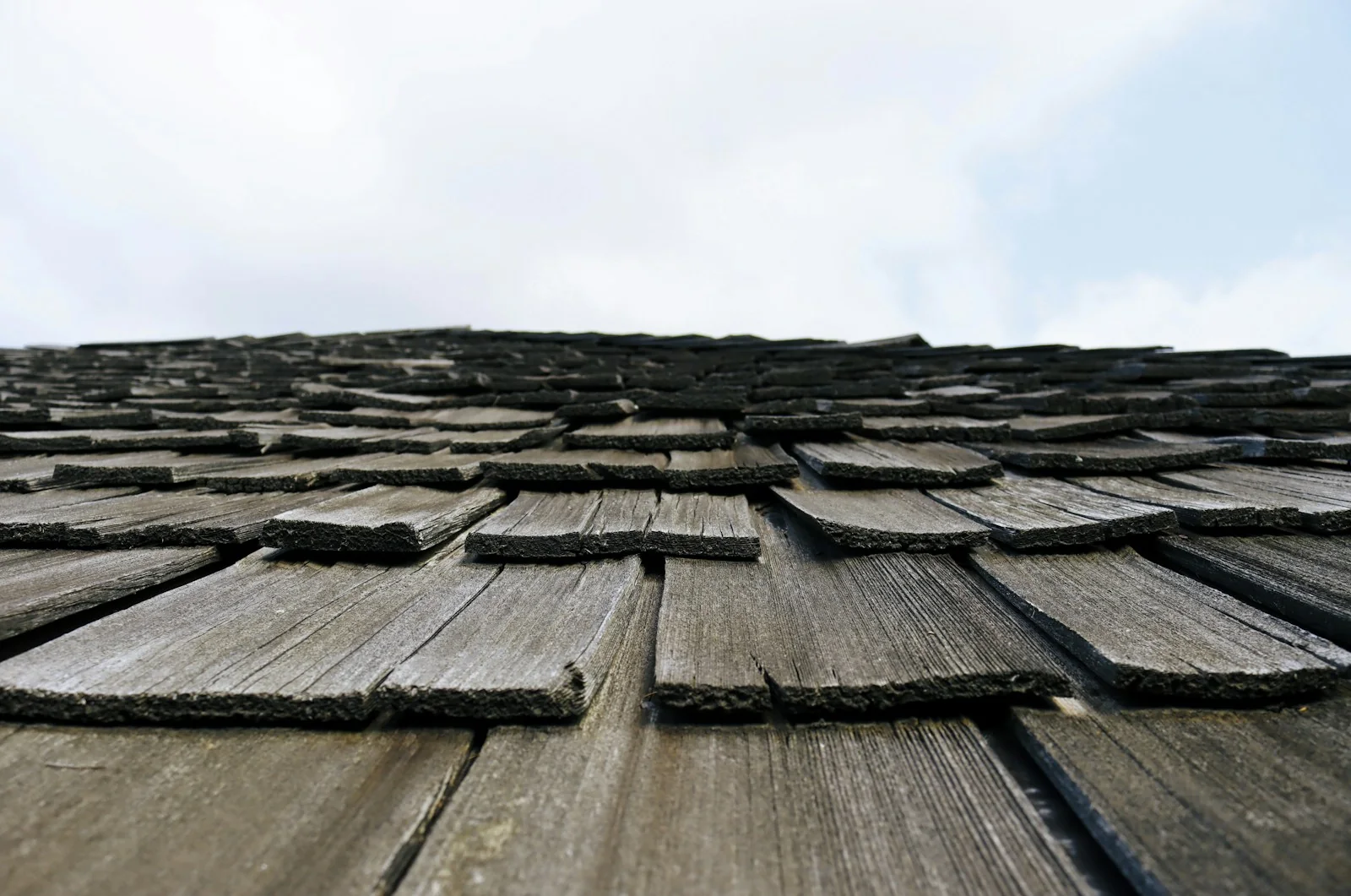
These technical references describe building-science principles, not a diagnosis at a Norwalk property. The photograph is illustrative, not a completed Roofing Pros project. The guide does not claim verified contractor certifications or guaranteed outcomes. Confirm the legal contracting business through Connecticut eLicense and obtain the state-required written contract where applicable.