
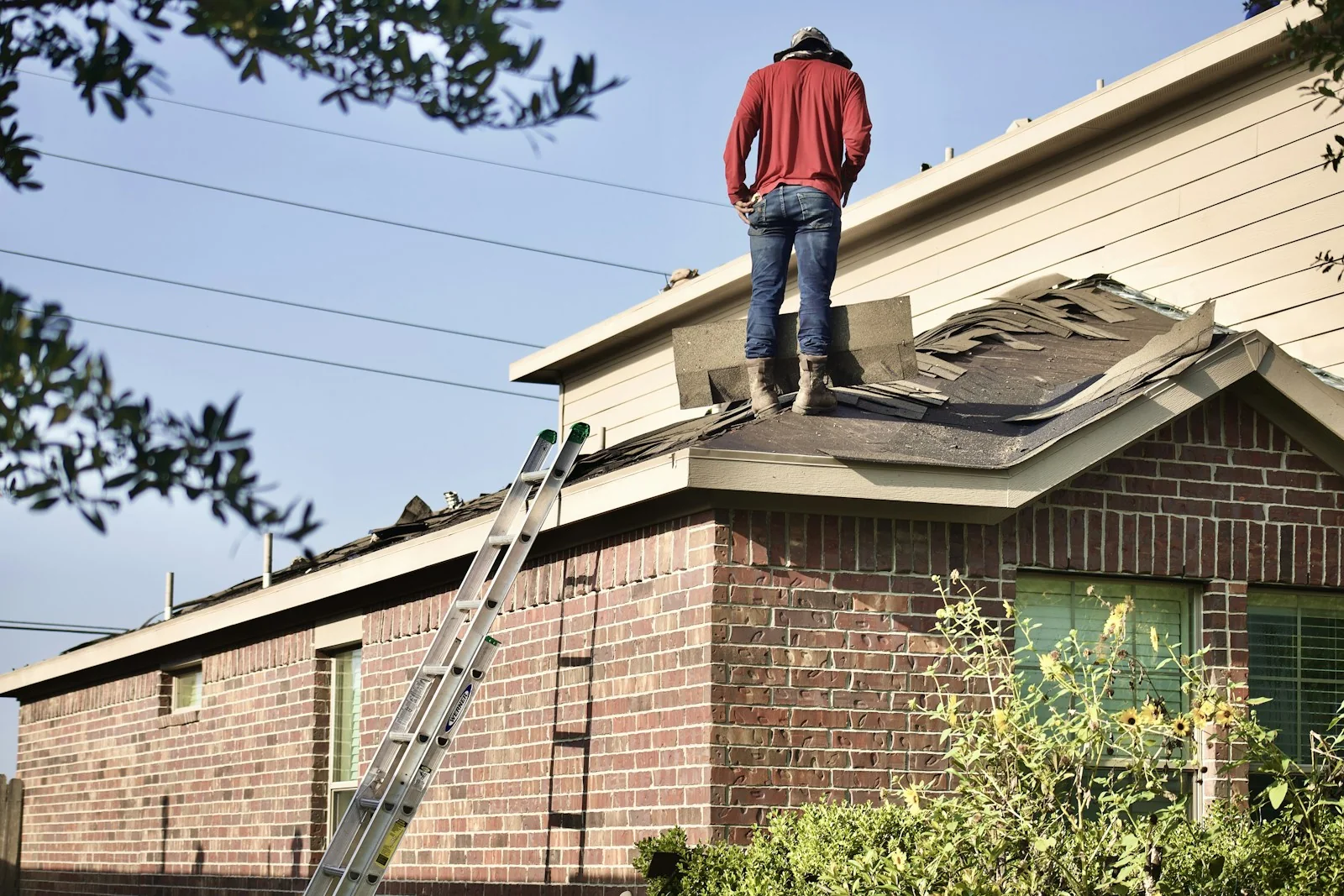
Why the lowest roof quote may rise
A new roof estimate is based partly on visible conditions. During tear-off, the installer may discover rotten sheathing, extra old roofing layers, deteriorated fascia or flashing that cannot safely be reused. These problems can expand scope and cost. An honest contractor should describe known items and possible concealed work before starting, rather than treating every additional dollar as an unavoidable surprise. Ask for an itemized quote and written change-order process.
The next step depends on the specific roof system and reliable evidence. Ask which physical observations or written documents support the proposed work, what remains uncertain and who will take responsibility if hidden conditions appear. Keep the estimate, photographs, applicable policy or code language and approval process together. A contractor should not use a generic guarantee in place of a documented repair method, nor should a homeowner accept a major project solely because a nearby neighborhood or storm is mentioned.
Plywood and OSB decking replacement
Roof decking supports the covering and fasteners. Soft, water-damaged or unsuitable panels may require replacement after removal reveals the condition. Ask whether the proposal includes any allowance, the price per replacement sheet or measured area, disposal and appropriate fastening. Not all aged plywood must be replaced; ask for photographic evidence and a specific reason. If significant rot reaches structural framing, additional specialist or permit review may be required.
Multiple roofing layers and tear-off charges
A roofer may estimate labor assuming one asphalt layer, but an older house may contain additional layers. Removal and disposal can be slower and more expensive. Confirm whether the estimate states a layer assumption and an extra-layer rate. An overlay proposal may avoid immediate tear-off while hiding deterioration, so compare the scope and risks. Never interpret a low price based on incomplete roof measurements as a guaranteed final amount.
Flashing often changes the price
Chimneys, skylights, dormers, valleys and roof-to-wall junctions require coordinated water shedding. Some bids include new step flashing and vent boots; others assume those parts can be reused. If existing flashing is corroded, split or incorrectly integrated, reuse may leave the underlying leak. Ask which components will be replaced and whether masonry, siding or skylight work is excluded. An installation should not be priced solely by the number of shingle bundles.
The next step depends on the specific roof system and reliable evidence. Ask which physical observations or written documents support the proposed work, what remains uncertain and who will take responsibility if hidden conditions appear. Keep the estimate, photographs, applicable policy or code language and approval process together. A contractor should not use a generic guarantee in place of a documented repair method, nor should a homeowner accept a major project solely because a nearby neighborhood or storm is mentioned.
Ventilation and insulation questions
Replacing roof covering can provide an opportunity to correct roof ventilation components, but the right system depends on attic intake, exhaust and air sealing. A ridge vent alone may not solve moisture if soffit intake is inadequate or bathroom exhaust discharges into the attic. Ask whether the quote includes new intake vents, baffles, ridge opening or related work. Distinguish roofing scope from separate insulation or HVAC trades so unexpected charges are not hidden.
Safety, access and staging
Steep slope, height, narrow driveways, landscaping, shared properties and equipment access can change labor. A townhouse with limited side access is not comparable to a wide one-story ranch of similar roof area. Ask about fall protection, dumpsters, driveway use, property protection and debris removal. The contractor should explain foreseeable constraints before signing rather than add vague 'difficulty' charges afterward.
Permits and inspections
Norwalk's building office provides roofing permit information. Some jobs need filings or additional review, and the contractor should identify who handles the application and fees. Hidden structural damage can change approval needs. A proposal that includes the shingle material but not applicable permits can appear cheaper than a fully documented bid. Ask for the assumed scope, permit responsibility and completion records.
The next step depends on the specific roof system and reliable evidence. Ask which physical observations or written documents support the proposed work, what remains uncertain and who will take responsibility if hidden conditions appear. Keep the estimate, photographs, applicable policy or code language and approval process together. A contractor should not use a generic guarantee in place of a documented repair method, nor should a homeowner accept a major project solely because a nearby neighborhood or storm is mentioned.
Warranty upgrades and product substitutions
An enhanced manufacturer warranty may require specific accessories or contractor qualifications. A quote offering a premium warranty can differ from one covering only basic shingle products. Confirm the exact warranty name, labor and tear-off terms, transferability, exclusions and any fees. If a shingle color or line is unavailable, the contractor should request approval for substitutions. Marketing descriptions such as 'lifetime roof' cannot replace the actual signed documents.
A written change-order example
Consider a hypothetical roof quote that identifies 25 roofing squares and provides a unit price for replacing damaged plywood. After tear-off, the contractor finds six unsuitable panels. The homeowner receives photos, a description of affected locations, the pre-agreed unit rate and a written authorization before replacement. This does not establish a real local price, but it demonstrates a transparent process for unavoidable extra work. Without it, the homeowner cannot easily confirm whether the added expense is legitimate.
How to compare estimates fairly
Give bidders the same roof problem and request comparable measurements, product line, underlayment, flashing, deck allowances, ventilation, permits, cleanup and warranties. Then compare total scope instead of just the displayed price. Ask which assumptions could change during work and how they will be approved. A properly detailed higher quote may represent better value; a low quote can also be legitimate if it addresses a smaller verified problem. Diagnosis and contractual clarity decide.
The next step depends on the specific roof system and reliable evidence. Ask which physical observations or written documents support the proposed work, what remains uncertain and who will take responsibility if hidden conditions appear. Keep the estimate, photographs, applicable policy or code language and approval process together. A contractor should not use a generic guarantee in place of a documented repair method, nor should a homeowner accept a major project solely because a nearby neighborhood or storm is mentioned.
Budgeting for contingencies without inventing percentages
There is no universal rule that every Connecticut roof project requires a fixed contingency percentage. A homeowner can plan a reserve, but the useful size depends on roof age, known leaks, layers and financial capacity. Ask for realistic unit rates and the contractor's observations rather than presenting an arbitrary national percentage as a requirement. Keep financing terms and insurance decisions separate from physical construction costs.
A realistic example of decking change orders
Suppose a hypothetical contract includes a pre-agreed $90 price for each additional decking sheet, with disposal and installation clearly defined. The roofer lifts the old covering, identifies five unsuitable sheets and photographs them. An added five-sheet line would be $450 under that hypothetical unit rate, excluding any different separately authorized structural work. These are illustration figures, not actual Norwalk quotes. The useful part is the method: identify the condition, show the quantity, apply the signed rate and obtain approval before concealment.
A contractor may also discover rotten fascia or inadequate fastener support. Those are not automatically covered by the same plywood unit price. Ask for separate scope and reasons, and keep the paperwork with completion photos.
Separate standard scope from elective upgrades
A roof replacement proposal may include the minimum materials necessary for the selected assembly and offer optional improvements such as different shingle grades, upgraded ventilation or more extensive trim work. These optional items should not be described as legally mandatory without an actual code or manufacturer basis. Ask which changes correct a proven defect and which enhance appearance, comfort or warranty eligibility. This distinction is particularly important once the old roof is off and the homeowner feels pressured by a tight schedule.
A roofer should explain any urgent weatherproofing action that cannot wait, but the cost of elective extras should still be approved and documented. Keep each signed change order in the final project records.
Ask how costs will be verified at final payment
Before paying the last installment, compare the signed contract and approved change orders with the final invoice. Check the number of plywood sheets charged, the photographed locations, permit responsibilities, product substitutions and completion of flashing and ventilation. Keep a record of any agreed credits for unused allowances. The homeowner need not walk the roof: request dated completion photographs and a safe ground-level discussion of the actual work.
A well-documented invoice helps with product warranties, later repairs and insurance questions. It also gives a basis for discussing discrepancies before memories fade. Do not sign a vague acceptance stating that every possible defect is waived without understanding the actual terms.
Eight questions for a homeowner to record
- What is actually confirmed about the problem?
- Which defects or policy terms remain uncertain?
- Can a limited repair solve the immediate need?
- What does the estimate explicitly exclude?
- How are additional charges approved?
- Who holds the relevant registration or authority?
- What documentation should I receive at completion?
- What should I do if the same symptom returns?
Frequently asked questions
Is plywood usually included in a roof quote?
It depends on the proposal. Some include a small allowance; others charge per sheet. Require the exact terms in writing.
Can roof replacement cost change after tear-off?
Yes, hidden damage or extra layers may emerge. The contract should define change orders and authorization before extra work.
Does replacing roof decking always require a permit?
Ask the building office about the actual scope and current rules; structural changes may have additional requirements.
Should I pay for damaged plywood without photos?
Request documentation of the condition and quantity, along with a written change order and agreed price.
Are flashing and ventilation included in every roof estimate?
No. Compare itemized bids and identify excluded components before signing.
Research and official references
These references provide general consumer, technical and local context. No company's actual HIC number, project history, warranty or insurance outcome is asserted. Check current official requirements and the individual property before making decisions.