
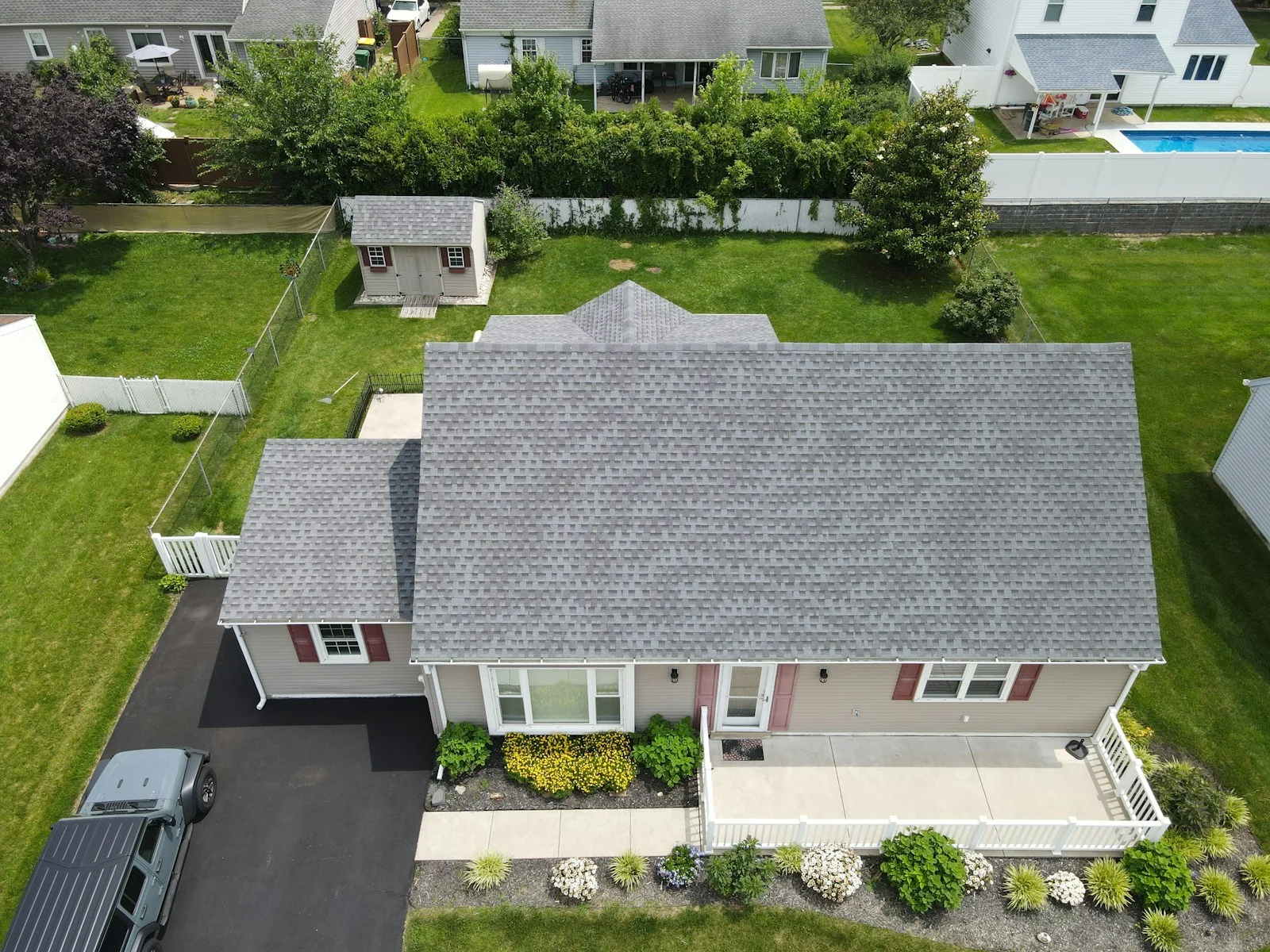
Safety comes before a roof inspection
After a nor'easter, avoid downed electrical lines, damaged trees, unstable structures and standing beneath a sagging ceiling. Do not climb a wet or wind-damaged roof to search for missing shingles. The National Weather Service emphasizes hazards that remain after storms, including debris and power lines. Keep people and pets clear of damaged roof edges or falling limbs. Call appropriate emergency professionals when there is an electrical or structural hazard.
The next step depends on the specific roof system and reliable evidence. Ask which physical observations or written documents support the proposed work, what remains uncertain and who will take responsibility if hidden conditions appear. Keep the estimate, photographs, applicable policy or code language and approval process together. A contractor should not use a generic guarantee in place of a documented repair method, nor should a homeowner accept a major project solely because a nearby neighborhood or storm is mentioned.
Use safe ground-level photographs
Photograph the whole roof from safe positions to document missing shingles, displaced ridge caps, loose flashing, fallen branches or gutter damage. Take interior photos of any new stains and record when water first appeared. Include wide images establishing location and close views only where they can be obtained without ladders. Date the photographs and keep older roof records for comparison. A picture helps an inspector plan work but cannot show every concealed defect.
Check shingles without walking on them
Wind can crease, lift or detach asphalt shingles, especially at roof edges, ridges and valleys. Some damage is only apparent close up and requires professional access. A small set of missing shingles may be repairable if surrounding roofing is flexible and sound; widespread brittle material or deck failure may need more extensive consideration. Do not assume every shingle roof in Norwalk was damaged by one regional storm.
Look at flashing, chimneys and skylights
Wind-driven rain can enter at step flashing, chimney counterflashing, skylight curbs and roof penetrations even when field shingles remain intact. An interior stain may appear far from the original entry point after water travels along framing. Note whether leaks occur only during gusty rain and from which side of the property the storm approached. Ask the roofer to investigate that pathway rather than apply sealant blindly.
The next step depends on the specific roof system and reliable evidence. Ask which physical observations or written documents support the proposed work, what remains uncertain and who will take responsibility if hidden conditions appear. Keep the estimate, photographs, applicable policy or code language and approval process together. A contractor should not use a generic guarantee in place of a documented repair method, nor should a homeowner accept a major project solely because a nearby neighborhood or storm is mentioned.
Trees, valleys and gutters
Fallen limbs can puncture covering, damage gutters or threaten the structure. Leaves and branches can block drainage and force runoff over the fascia. Roof valleys can accumulate debris and redirect water beneath shingles. Do not attempt to pull large branches from the roof yourself; tree work and roof repair may require different qualified professionals. Photograph the condition before cleanup when safe and keep the debris-removal invoice.
Coastal exposure varies by property
Rowayton, East Norwalk and other shoreline-adjacent areas may have roofs exposed to strong winds and wind-driven rain, but exposure differs by roof orientation, height and nearby buildings. Salt spray can matter for some metal hardware over time, yet one storm does not prove corrosion caused the failure. Inspect actual fasteners, edge metal, flashing and roofing material. Avoid using the neighborhood name as a diagnosis or proof that a local roofer completed a project.
Temporary protection and active leaks
If water is entering, protect belongings and keep clear of wet electrical fixtures or sagging ceilings. Qualified tarping or stabilization may be appropriate when weather permits safe work. Ask whether the service covers only temporary protection, what area was treated, how much the mobilization costs and whether permanent repair requires another inspection. Save written invoices and photographs. A tarp is not an indefinite roof replacement.
The next step depends on the specific roof system and reliable evidence. Ask which physical observations or written documents support the proposed work, what remains uncertain and who will take responsibility if hidden conditions appear. Keep the estimate, photographs, applicable policy or code language and approval process together. A contractor should not use a generic guarantee in place of a documented repair method, nor should a homeowner accept a major project solely because a nearby neighborhood or storm is mentioned.
Insurance documentation and honest claims
Notify the insurer promptly if the event might be covered, following the actual policy instructions. Document the weather date, observed damage, previous roof condition and reasonable mitigation. The roofer can supply factual photos and an estimate but cannot promise approval or waive the policy deductible. Distinguish sudden storm damage from ordinary wear; a nor'easter warning does not prove all roofs in the city suffered insured losses.
Repair-versus-replacement after a storm
A roofer should identify the damaged roof plane, fasteners, flashing and underlying deck evidence. A localized defect on otherwise serviceable roofing may justify repair, while multiple roof-wide failures or compromised decking can support replacement. Ask for photographs and a written comparison before accepting an immediate sales pitch. The exact material—slate, cedar, asphalt or metal—changes repair technique and specialist requirements.
Preparing for the next season
Keep gutter outlets clear using qualified workers, document aging flashing, review tree exposure and maintain roof records. Attic insulation and air sealing can matter in winter snowmelt problems, while windward roof edges deserve appropriate inspection after severe weather. A maintenance visit may catch defects earlier but does not guarantee a home is stormproof. Keep professional inspection dates and product information for future claims.
The next step depends on the specific roof system and reliable evidence. Ask which physical observations or written documents support the proposed work, what remains uncertain and who will take responsibility if hidden conditions appear. Keep the estimate, photographs, applicable policy or code language and approval process together. A contractor should not use a generic guarantee in place of a documented repair method, nor should a homeowner accept a major project solely because a nearby neighborhood or storm is mentioned.
Norwalk storm recovery decision checklist
Before hiring, verify the contractor's legal name and applicable Connecticut HIC status, insurance, written scope, material choice, repair boundary, permit responsibility, payment and warranty. Get more than one proposal when the damage is not an urgent safety issue. Choose the smallest durable scope supported by evidence and protect occupants during active hazards. If no roof damage is visible, avoid unnecessary work based only on weather alerts.
A clear 24-hour action plan
Immediately after the weather passes, keep away from fallen power lines, unstable trees and sagging ceilings. When safe, photograph the roof from the ground, note any interior dripping and document the storm's timing. If water is actively entering, ask a qualified roofer about temporary weatherproofing and save the invoice. Notify the insurer promptly if a covered event may be involved; ask what evidence is needed before permanent repairs. Do not let a salesperson's prediction of an insurance payout determine the job scope.
In the days that follow, compare documented damage with pre-storm conditions and obtain a written technical assessment. A roof can need a narrow repair without replacing all slopes, and a storm warning alone proves no damage at any particular address.
Keep storm damage distinct from older roof wear
Before a storm, some roofs already have aged shingles, worn sealant or clogged drainage. After a nor'easter, a newly displaced ridge cap or branch puncture may be an identifiable new event, while a long-standing water stain or brittle field shingles may have developed earlier. An inspection should distinguish these conditions with photographs and repair history. That matters for choosing the correct repair and for honest insurance reporting.
Do not pressure a contractor to label ordinary deterioration as storm-caused. Likewise, a roofer should not dismiss observable new damage merely because the roof is older. Ask for a factual condition report and the narrowest technically appropriate repair scope.
What makes a post-storm estimate trustworthy
A reliable estimate identifies the affected roof plane and observed damage, whether the covering can be repaired, and which materials, flashing and safety arrangements are needed. It distinguishes emergency stabilization from permanent repair and includes written limits where concealed deck condition is unknown. A contractor should not promise insurance approval or an arbitrary arrival time without confirmation. Ask for evidence of the actual damage rather than a generic quote triggered solely by the forecast.
For Norwalk homeowners, the street address and roof type matter more than a long list of local landmarks. A professional familiar with the building system should explain a specific water pathway and how the proposed repair restores it. Compare contractor registration, written contract and warranty terms before authorizing major work.
Eight questions for a homeowner to record
- What is actually confirmed about the problem?
- Which defects or policy terms remain uncertain?
- Can a limited repair solve the immediate need?
- What does the estimate explicitly exclude?
- How are additional charges approved?
- Who holds the relevant registration or authority?
- What documentation should I receive at completion?
- What should I do if the same symptom returns?
Frequently asked questions
Should I inspect my roof myself after a nor'easter?
Observe from safe ground-level positions and document visible changes. Do not climb a wet, steep or damaged roof.
Does a nor'easter automatically justify roof replacement?
No. A professional must determine what damage occurred and whether existing roofing remains serviceable.
Can insurance pay for wind-damaged shingles?
Potentially, depending on the policy and actual covered damage. Document evidence and ask the insurer.
Should I remove fallen branches from the roof?
Use qualified help for large or unsafe limbs, especially near electrical lines and unstable structures.
Why does my roof leak only during windy rain?
Wind-driven water may enter at flashing or exposed roof junctions. A diagnostic inspection should trace the path.
Research and official references
These references provide general consumer, technical and local context. No company's actual HIC number, project history, warranty or insurance outcome is asserted. Check current official requirements and the individual property before making decisions.