
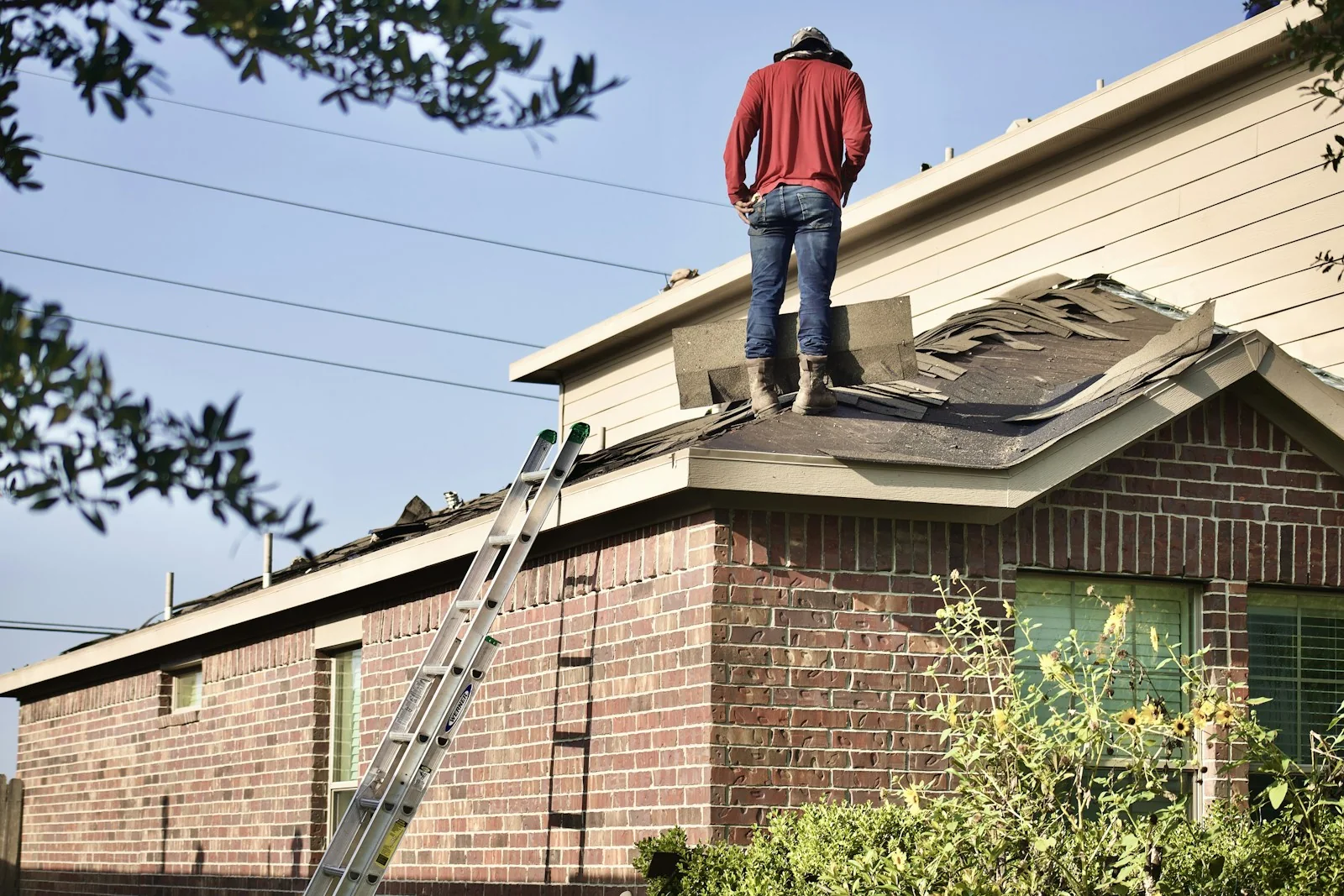
Start with safety and temporary protection
Strong winds, fallen limbs and damaged power lines can make roof access dangerous after a storm. The National Weather Service advises staying away from downed lines and unstable structures. Do not climb onto wet or broken roofing to take photos. Protect belongings from water where safe, and arrange qualified temporary weatherproofing if the house is exposed. Keep receipts and photograph the conditions before anything is discarded when safe and practical.
A roof claim should never begin with a contractor promising that every shingle will be replaced. The immediate goal is safety and reasonable mitigation; the permanent repair should follow roof inspection and policy review.
When comparing options, separate the technical roof scope from payment or coverage. A contractor can give a written estimate without knowing how a claim will settle; an adjuster can assess policy benefits without selecting the best qualified roofer for your home. Keep those responsibilities distinct in your notes.
Identify the date and probable cause of loss
Insurers distinguish sudden events such as wind impact from ordinary deterioration, wear, neglected maintenance or earlier water intrusion. Write down the date and weather, when the leak first appeared, whether shingles or tree branches were displaced, and when the roof was last inspected. Do not backdate damage or attribute old stains to a new storm without evidence.
For a Norwalk property, regional nor'easters and coastal wind can be relevant context, but the existence of a storm does not prove the individual roof was damaged by that event. Photographs and observations remain essential.
Good documentation includes the location of the issue, date, weather, prior repair efforts, photos from safe locations and the written findings of any later inspection. If materials have to be opened, establish how concealed damage will be photographed and approved before a costly change is made.
Notify your insurer and ask for claim instructions
Use the claim phone number or account portal supplied by your own insurer. Provide a factual description and ask for the claim number, assigned adjuster, relevant documentation, mitigation rules and inspection timing. The Connecticut Insurance Department encourages prompt notification and good records. Ask whether emergency tarping or interior drying costs may be considered, rather than assuming every invoice is reimbursable.
Take notes after calls: date, representative name, instructions given and any deadlines. If coverage is uncertain, request the insurer's policy reference or explanation in writing.
Ask for a precise next step instead of a guarantee. An estimate, claim decision, product warranty and signed home-improvement contract are different documents. Record which one supports each promise and who must respond if the conclusion changes.
Create a complete damage documentation packet
Collect wide photographs of the affected building, safe close images of displaced roofing, interior staining, damaged belongings where applicable and the emergency mitigation work. Include roof material, approximate roof age, prior inspection records and a description of earlier repairs. Keep receipts for temporary protection and written proposals for permanent roofing work.
An organized folder helps the adjuster connect the claimed event to a specific part of the roof and helps you avoid paying for work that may not relate to the loss.
Ask what is known, what is merely suspected and what evidence would change the recommendation. This prevents a symptom from being turned into a sales claim. The correct next action may be a narrow flashing inspection, a separate interior moisture investigation, a temporary repair or further review of the insurer's itemized decision.
What the insurance adjuster examines
The adjuster may review storm cause, roof condition, direct physical damage, applicable policy exclusions, deductible and appropriate repair scope. An insurer may also consult aerial or photographic evidence. The roofer can identify torn shingles, flashing damage or deck concerns, but coverage decisions are the insurer's responsibility. If the carrier's scope differs from a contractor's scope, ask what observation or measurement explains the difference.
Separate disagreements about coverage from disagreements about the amount needed to repair a covered loss. They may involve different review or dispute mechanisms under the policy.
When comparing options, separate the technical roof scope from payment or coverage. A contractor can give a written estimate without knowing how a claim will settle; an adjuster can assess policy benefits without selecting the best qualified roofer for your home. Keep those responsibilities distinct in your notes.
Compare the adjuster estimate to the contractor quote
Check roof area, material, labor, removal, flashing, underlayment, ventilation, disposal and hidden-deck allowances. The insurer's estimate may follow specific claim payment procedures and may omit work not shown as covered. A contractor quote may include elective upgrades or deferred maintenance that insurance does not pay for.
Use a line-by-line comparison rather than asking the contractor to inflate a bid to match a desired claim amount. If information is missing, request clarification and provide new documented findings promptly.
Good documentation includes the location of the issue, date, weather, prior repair efforts, photos from safe locations and the written findings of any later inspection. If materials have to be opened, establish how concealed damage will be photographed and approved before a costly change is made.
Understand deductibles and payment methods
Your deductible is part of the claim according to policy terms. A roofer should not promise to waive, hide or 'absorb' it through misleading invoices. Ask your insurer how the deductible and any depreciation or replacement-cost settlement operate under your policy. Keep insurance payments and contractor invoices separate in your records.
Connecticut DCP warns consumers to be cautious of roofing scams and high-pressure sales after storms. Verify the legal contractor and HIC registration when applicable.
Ask for a precise next step instead of a guarantee. An estimate, claim decision, product warranty and signed home-improvement contract are different documents. Record which one supports each promise and who must respond if the conclusion changes.
Handle supplemental damage honestly
During tear-off, the roofer may uncover wet sheathing or other concealed conditions. Photograph the findings, request a written explanation and ask the insurer about its supplemental claim procedures before assuming the extra work will be covered. A true hidden condition can change the project cost without changing the policy's coverage terms.
Do not conceal prior deterioration or order unnecessary work solely to enlarge a claim. The homeowner remains responsible for the contract it signs, regardless of the eventual insurance settlement.
Ask what is known, what is merely suspected and what evidence would change the recommendation. This prevents a symptom from being turned into a sales claim. The correct next action may be a narrow flashing inspection, a separate interior moisture investigation, a temporary repair or further review of the insurer's itemized decision.
If the claim is disputed
Ask for the insurer's written reasoning, adjuster measurements and the relevant policy language. The Connecticut Insurance Department provides resources about home-property claim disagreements, including distinctions between amount disputes and coverage disputes. Consider an independent inspection when facts are contested, keep correspondence, and use the state's complaint resources where appropriate.
A roofer can supply factual documentation and a repair estimate; a qualified insurance professional or attorney may be needed for complex policy disputes.
When comparing options, separate the technical roof scope from payment or coverage. A contractor can give a written estimate without knowing how a claim will settle; an adjuster can assess policy benefits without selecting the best qualified roofer for your home. Keep those responsibilities distinct in your notes.
Moving from claim to safe construction
Once the scope is understood, compare legitimate contractors with written estimates, materials, permit duties and warranties. Confirm the actual business name and registration status through Connecticut eLicense for covered home-improvement work. Avoid paying an unusually large deposit before verifying the plan and contract.
Read storm damage roof repair, questions to ask the adjuster and warranty coverage before signing.
Good documentation includes the location of the issue, date, weather, prior repair efforts, photos from safe locations and the written findings of any later inspection. If materials have to be opened, establish how concealed damage will be photographed and approved before a costly change is made.
Norwalk context and verified company information
Norwalk's five main residential ZIPs are 06850, 06851, 06853, 06854 and 06855. A postal label does not establish the building's roofing material, exposure, insurer or contractor. Details should come from the full address, observed roof assembly, actual policy and written estimate—not from generic neighborhood assumptions.
For roofing work covered by Connecticut home-improvement rules, verify the actual contracting entity and HIC registration where required. Ask for insurance documentation, a written scope, applicable permits, a realistic payment schedule and written warranty terms. Roofing Pros does not assert a verified registration number or insurer relationship in this guide.
The location name helps with accurate service routing, but is not evidence of a Roofing Pros office, storm project or contractor history. Consult Norwalk roofing areas for nearby ZIP references and the roofing services directory for a specific scope.
A practical roof and claim documentation checklist
- Identify the roof type and relevant roof plane. Identify who supplies this record and the exact decision it supports.
- Record the earliest known occurrence and recent weather. Identify who supplies this record and the exact decision it supports.
- Photograph damage and interior conditions from safe locations. Identify who supplies this record and the exact decision it supports.
- Keep all older roofing estimates and paid invoices. Identify who supplies this record and the exact decision it supports.
- Request written findings rather than a verbal replacement promise. Identify who supplies this record and the exact decision it supports.
- Review the actual policy or manufacturer document. Identify who supplies this record and the exact decision it supports.
- Verify the legal contractor and applicable HIC registration. Identify who supplies this record and the exact decision it supports.
- Confirm written change-order and payment rules. Identify who supplies this record and the exact decision it supports.
- Clarify municipal permit responsibilities. Identify who supplies this record and the exact decision it supports.
- Keep records of adjuster calls or warranty claims. Identify who supplies this record and the exact decision it supports.
Keep roofing product records, dated photos, inspection notes, prior repair history and relevant insurer correspondence in one folder. A clear timeline makes it easier to distinguish the original problem from a new weather event and helps both a contractor and claim handler understand what has changed.
Eight questions to ask before the next decision
Should I file a claim for one missing shingle?
Strong winds, fallen limbs and damaged power lines can make roof access dangerous after a storm. The National Weather Service advises staying away from downed lines and unstable structures. Good documentation includes the location of the issue, date, weather, prior repair efforts, photos from safe locations and the written findings of any later inspection. If materials have to be opened, establish how concealed damage will be photographed and approved before a costly change is made.
Do I need a roofer before contacting insurance?
Insurers distinguish sudden events such as wind impact from ordinary deterioration, wear, neglected maintenance or earlier water intrusion. Write down the date and weather, when the leak first appeared, whether shingles or tree branches were displaced, and when the roof was last inspected. Ask for a precise next step instead of a guarantee. An estimate, claim decision, product warranty and signed home-improvement contract are different documents. Record which one supports each promise and who must respond if the conclusion changes.
Will insurance pay for a new roof after a storm?
Use the claim phone number or account portal supplied by your own insurer. Provide a factual description and ask for the claim number, assigned adjuster, relevant documentation, mitigation rules and inspection timing. Ask what is known, what is merely suspected and what evidence would change the recommendation. This prevents a symptom from being turned into a sales claim. The correct next action may be a narrow flashing inspection, a separate interior moisture investigation, a temporary repair or further review of the insurer's itemized decision.
Can I repair the roof before an adjuster visits?
Collect wide photographs of the affected building, safe close images of displaced roofing, interior staining, damaged belongings where applicable and the emergency mitigation work. Include roof material, approximate roof age, prior inspection records and a description of earlier repairs. When comparing options, separate the technical roof scope from payment or coverage. A contractor can give a written estimate without knowing how a claim will settle; an adjuster can assess policy benefits without selecting the best qualified roofer for your home. Keep those responsibilities distinct in your notes.
What if damaged decking is found later?
The adjuster may review storm cause, roof condition, direct physical damage, applicable policy exclusions, deductible and appropriate repair scope. An insurer may also consult aerial or photographic evidence. Good documentation includes the location of the issue, date, weather, prior repair efforts, photos from safe locations and the written findings of any later inspection. If materials have to be opened, establish how concealed damage will be photographed and approved before a costly change is made.
What evidence would change the conclusion?
Check roof area, material, labor, removal, flashing, underlayment, ventilation, disposal and hidden-deck allowances. The insurer's estimate may follow specific claim payment procedures and may omit work not shown as covered. Ask for a precise next step instead of a guarantee. An estimate, claim decision, product warranty and signed home-improvement contract are different documents. Record which one supports each promise and who must respond if the conclusion changes.
Who is responsible for follow-up?
Your deductible is part of the claim according to policy terms. A roofer should not promise to waive, hide or 'absorb' it through misleading invoices. Ask what is known, what is merely suspected and what evidence would change the recommendation. This prevents a symptom from being turned into a sales claim. The correct next action may be a narrow flashing inspection, a separate interior moisture investigation, a temporary repair or further review of the insurer's itemized decision.
What costs remain the homeowner's responsibility?
During tear-off, the roofer may uncover wet sheathing or other concealed conditions. Photograph the findings, request a written explanation and ask the insurer about its supplemental claim procedures before assuming the extra work will be covered. When comparing options, separate the technical roof scope from payment or coverage. A contractor can give a written estimate without knowing how a claim will settle; an adjuster can assess policy benefits without selecting the best qualified roofer for your home. Keep those responsibilities distinct in your notes.
Next steps: roof service versus research
A roofing homeowner should make decisions based on the written diagnosis, not an unverified guarantee. Use roof inspection guidance to understand the physical condition, roof repair for isolated defects, and roof replacement planning only if damage evidence supports the broader scope.
Call Roofing Pros at (475) 467-2189 to discuss the address and roof symptoms. Confirm current availability, the business that will contract for work and all written terms. This guide does not promise insurance approval, legal outcomes or emergency dispatch.
Frequently asked questions
Should I file a claim for one missing shingle?
Strong winds, fallen limbs and damaged power lines can make roof access dangerous after a storm. The National Weather Service advises staying away from downed lines and unstable structures. Any coverage or construction decision still depends on the policy and property evidence.
Do I need a roofer before contacting insurance?
Insurers distinguish sudden events such as wind impact from ordinary deterioration, wear, neglected maintenance or earlier water intrusion. Write down the date and weather, when the leak first appeared, whether shingles or tree branches were displaced, and when the roof was last inspected. Any coverage or construction decision still depends on the policy and property evidence.
Will insurance pay for a new roof after a storm?
Use the claim phone number or account portal supplied by your own insurer. Provide a factual description and ask for the claim number, assigned adjuster, relevant documentation, mitigation rules and inspection timing. Any coverage or construction decision still depends on the policy and property evidence.
Can I repair the roof before an adjuster visits?
Collect wide photographs of the affected building, safe close images of displaced roofing, interior staining, damaged belongings where applicable and the emergency mitigation work. Include roof material, approximate roof age, prior inspection records and a description of earlier repairs. Any coverage or construction decision still depends on the policy and property evidence.
What if damaged decking is found later?
The adjuster may review storm cause, roof condition, direct physical damage, applicable policy exclusions, deductible and appropriate repair scope. An insurer may also consult aerial or photographic evidence. Any coverage or construction decision still depends on the policy and property evidence.
Research and official references
Sources below support the consumer guidance and decision framework. They do not represent a roofing inspection, a verified business credential, insurer guarantee or a complete review of any one policy.