
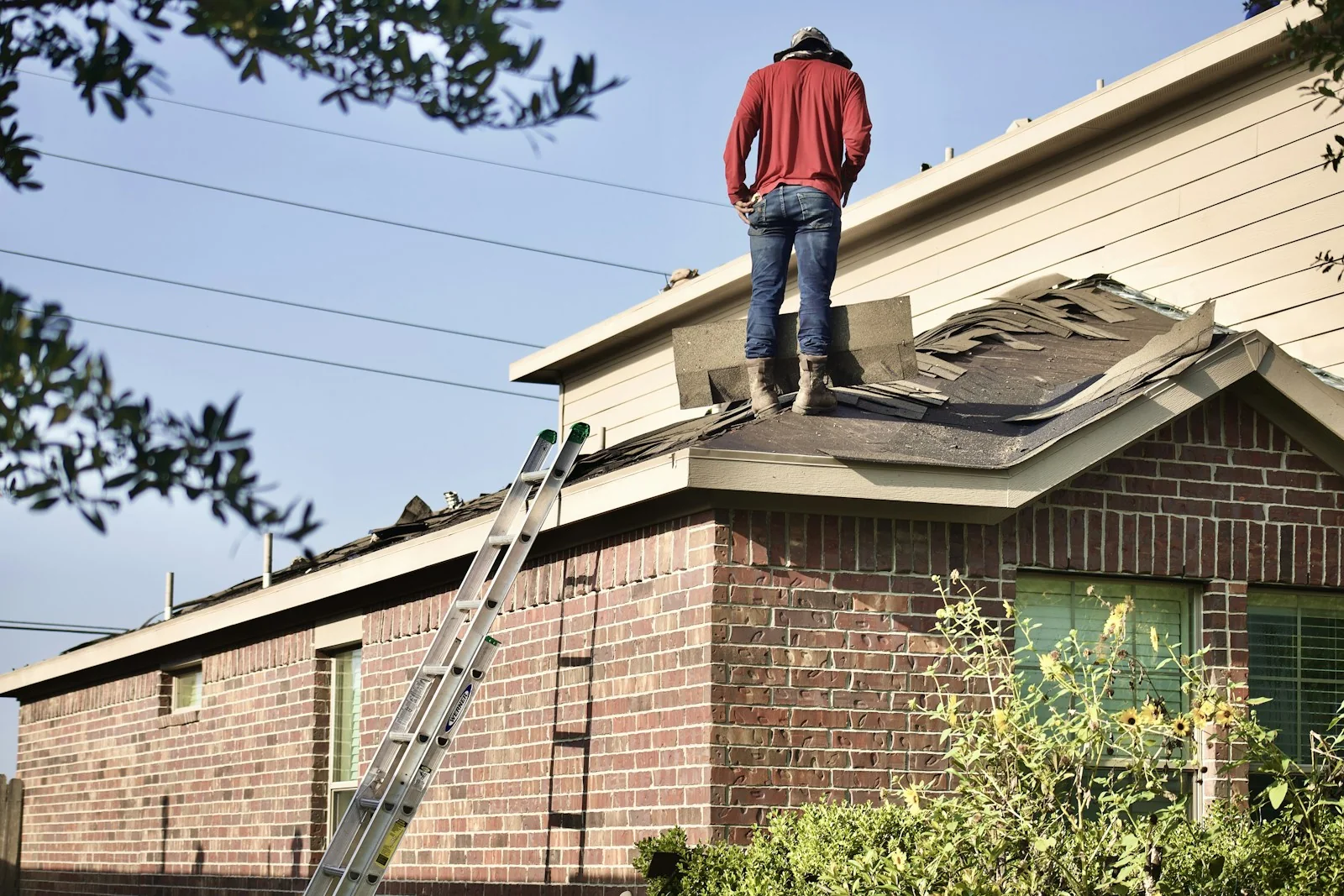
Secure your home before starting a dispute
An unfinished roof can leave exposed sheathing, open valleys and vulnerable ceilings. If rain is expected, ask a qualified professional about temporary weather protection and avoid climbing onto the roof. Photograph the incomplete work from safe locations before additional contractors alter it. Keep receipts for necessary mitigation. If water is near electrical components or the roof structure appears unstable, prioritize safety and emergency assistance. A dispute about payment should not lead to unsafe attempts to finish the job yourself.
The next step depends on the specific roof system and reliable evidence. Ask which physical observations or written documents support the proposed work, what remains uncertain and who will take responsibility if hidden conditions appear. Keep the estimate, photographs, applicable policy or code language and approval process together. A contractor should not use a generic guarantee in place of a documented repair method, nor should a homeowner accept a major project solely because a nearby neighborhood or storm is mentioned.
Collect the complete contract and payment history
Find the signed Connecticut home-improvement contract, change orders, material selections, promised start and completion dates, invoices and all receipts. Record checks, credit transactions or lender disbursements and the legal name of the payee. Compare those records with actual stages completed. Separate work listed in the original agreement from verbally discussed additions. A written timeline is especially useful if the project stopped after a decking change or the contractor promised to return following bad weather.
Document exactly what remains incomplete
Use a room-by-room and roof-plane list: old roofing left exposed, missing flashing, incomplete ridges, gutters removed, uncollected debris, damage to siding, or permit inspections outstanding. Photograph conditions with dates and ask a qualified independent roofer to describe any urgent weatherproofing need. Do not label all unfinished work defective without technical evidence. A precise deficiency list makes it easier to request correction and compare the price of completing the remaining scope.
Check the contractor's legal identity and registration
Connecticut residential roofing work frequently falls under Home Improvement Contractor registration rules, subject to exceptions. Search the actual contracting entity through the state's eLicense record and note any inconsistencies. A website trade name is not enough to identify who owes contract obligations. Verify insurance details where relevant and examine whether the agreement includes subcontractors, a separate financing company or a materials supplier. Do not invent a registration number or assume a crew member is personally liable for the legal company.
The next step depends on the specific roof system and reliable evidence. Ask which physical observations or written documents support the proposed work, what remains uncertain and who will take responsibility if hidden conditions appear. Keep the estimate, photographs, applicable policy or code language and approval process together. A contractor should not use a generic guarantee in place of a documented repair method, nor should a homeowner accept a major project solely because a nearby neighborhood or storm is mentioned.
Send a factual written completion request
Contact the business through the address and channels in the contract. Describe the agreed scope, completed work, outstanding items and a reasonable proposed response process. Ask who will protect exposed roof sections, whether materials are on-site, and for a written revised completion schedule. Keep copies of correspondence. Avoid accusations or threats unsupported by evidence; clarity about what remains unfinished can lead to faster resolution while protecting a record for later complaint procedures.
Avoid creating new payment disputes
Review the signed payment schedule before releasing further funds. If the contractor demands additional money, request the contractual basis and an itemized change order. Do not assume you can withhold or recover money in every circumstance without reviewing your obligations. If third-party financing paid the contractor, notify the lender of a dispute using its established process and read the separate financing agreement. Seek qualified legal advice for substantial disputes or liens.
Check permits, inspections and warranties
Ask Norwalk Building and Code Enforcement whether a permit applies, whether one was issued and whether final inspection remains incomplete. A missing permit is a separate issue from the contractor's schedule. Keep manufacturer product details and written workmanship warranty terms, but do not assume a warranty covers unfinished work by a business that has ceased operating. If a different contractor completes the roof, ask how that affects any original warranty and document its distinct scope.
The next step depends on the specific roof system and reliable evidence. Ask which physical observations or written documents support the proposed work, what remains uncertain and who will take responsibility if hidden conditions appear. Keep the estimate, photographs, applicable policy or code language and approval process together. A contractor should not use a generic guarantee in place of a documented repair method, nor should a homeowner accept a major project solely because a nearby neighborhood or storm is mentioned.
Use Connecticut DCP complaint resources
Connecticut's Department of Consumer Protection has home-improvement complaint procedures. Provide the actual business name, signed agreement, payment evidence, photographs and communications. The Home Improvement Guaranty Fund may provide limited relief to eligible consumers with qualifying judgments and statutory conditions; it is not automatic payment merely for submitting a complaint. Check the state's current limits and steps rather than relying on a general article. An agency complaint and a civil contract claim serve different functions.
When to obtain a second roofing inspection
If the roof remains exposed or you suspect defective installation, an independent qualified roofer can inspect safety, watertightness, missing work and likely cost to complete. Request photographs and a written report that separates original defects, new weather damage and work outside the initial contract. Tell the second roofer about existing warranty and permit documents. Avoid authorizing a broad tear-off solely to strengthen a dispute; the remedial work should be technically justified and proportionate to the roof's condition.
Create a workable next-step plan
Prioritize temporary protection, then document and contact the original business, verify credentials, check permit status, and seek an independent assessment if the job cannot be resolved. Use Connecticut DCP, consumer assistance or legal advice as applicable. Keep all receipts and avoid new undocumented payments. If you hire a replacement contractor, give it a precise scope and agree on who handles existing materials, cleanup and final paperwork. A thoughtful process protects the house without promising a particular legal outcome.
The next step depends on the specific roof system and reliable evidence. Ask which physical observations or written documents support the proposed work, what remains uncertain and who will take responsibility if hidden conditions appear. Keep the estimate, photographs, applicable policy or code language and approval process together. A contractor should not use a generic guarantee in place of a documented repair method, nor should a homeowner accept a major project solely because a nearby neighborhood or storm is mentioned.
A model completion notice
A factual written request might state: 'Our contract dated [date] calls for [scope]. Based on the work visible on [date], the following items remain incomplete: [numbered list]. Please confirm by [reasonable date] your plan to secure exposed roofing, finish the agreed work and address permit inspections. We have attached photographs and copies of relevant invoices.' This is a communication example, not a legal demand guaranteed to create a specific remedy. Send it to the legal contractor identified in your agreement and retain proof of delivery.
Homeowners should separate the immediate weather-exposure problem from the longer financial dispute. A second contractor may need to make the roof safe while the original business responds. Record those costs and the condition before alterations, when safe.
Evaluating a completion proposal from a new contractor
The replacement contractor's quote should separate three categories: work promised but never performed, existing work that is demonstrably defective, and extra improvements the homeowner now wants. This prevents the final completion cost from being confused with the original contractor's obligation. Ask for safe photographs, material specifications, roof access plans, permit responsibilities and a clear explanation of what will remain untouched.
Confirm whether the new contractor can reuse delivered materials and whether their warranties or manufacturer coverage are affected by previously installed components. A second roofer may reasonably refuse to warranty work performed by another company; the contract must state precisely which new installation is covered.
Preserve records for the dispute without losing sight of repairs
Keep a dated timeline of the first agreement, materials delivered, each payment, days worked, notices, replies and weather events. Record what the contractor actually promised separately from what you hoped would be included. If the roof is open to rain, ask qualified workers to make it safe and retain their invoices. Do not dispose of materials that might be relevant to a claim before obtaining appropriate advice, unless immediate safety demands removal. A clear record can help a consumer agency, attorney, insurer or new contractor understand the problem without relying on conflicting memories.
The ultimate resolution may involve negotiated completion, partial repayment, a different contractor or formal legal procedures. None is automatic. Ask a qualified adviser how applicable contract provisions, written notices and deadlines affect your choices. This guide does not determine your legal remedy.
Eight questions for a homeowner to record
- What is actually confirmed about the problem?
- Which defects or policy terms remain uncertain?
- Can a limited repair solve the immediate need?
- What does the estimate explicitly exclude?
- How are additional charges approved?
- Who holds the relevant registration or authority?
- What documentation should I receive at completion?
- What should I do if the same symptom returns?
Frequently asked questions
Can I file a complaint if a roofer abandons the job?
Connecticut DCP provides homeowner complaint resources, but eligibility and remedies depend on the facts and applicable law.
Does Connecticut reimburse unfinished roofing work?
The Home Improvement Guaranty Fund has statutory conditions and is not an automatic refund. Review the official DCP process.
Should I pay the final installment if work is unfinished?
Review your contract and obtain advice about your legal rights rather than assuming a universal rule. Document incomplete work and communications.
Can another contractor complete the roof?
Yes, subject to safety, contract, warranty and permitting considerations. Obtain a detailed independent scope.
Do I need an attorney?
Complex disputes, substantial losses or lien threats can warrant advice from a qualified Connecticut attorney.
Research and official references
These references provide general consumer, technical and local context. No company's actual HIC number, project history, warranty or insurance outcome is asserted. Check current official requirements and the individual property before making decisions.