
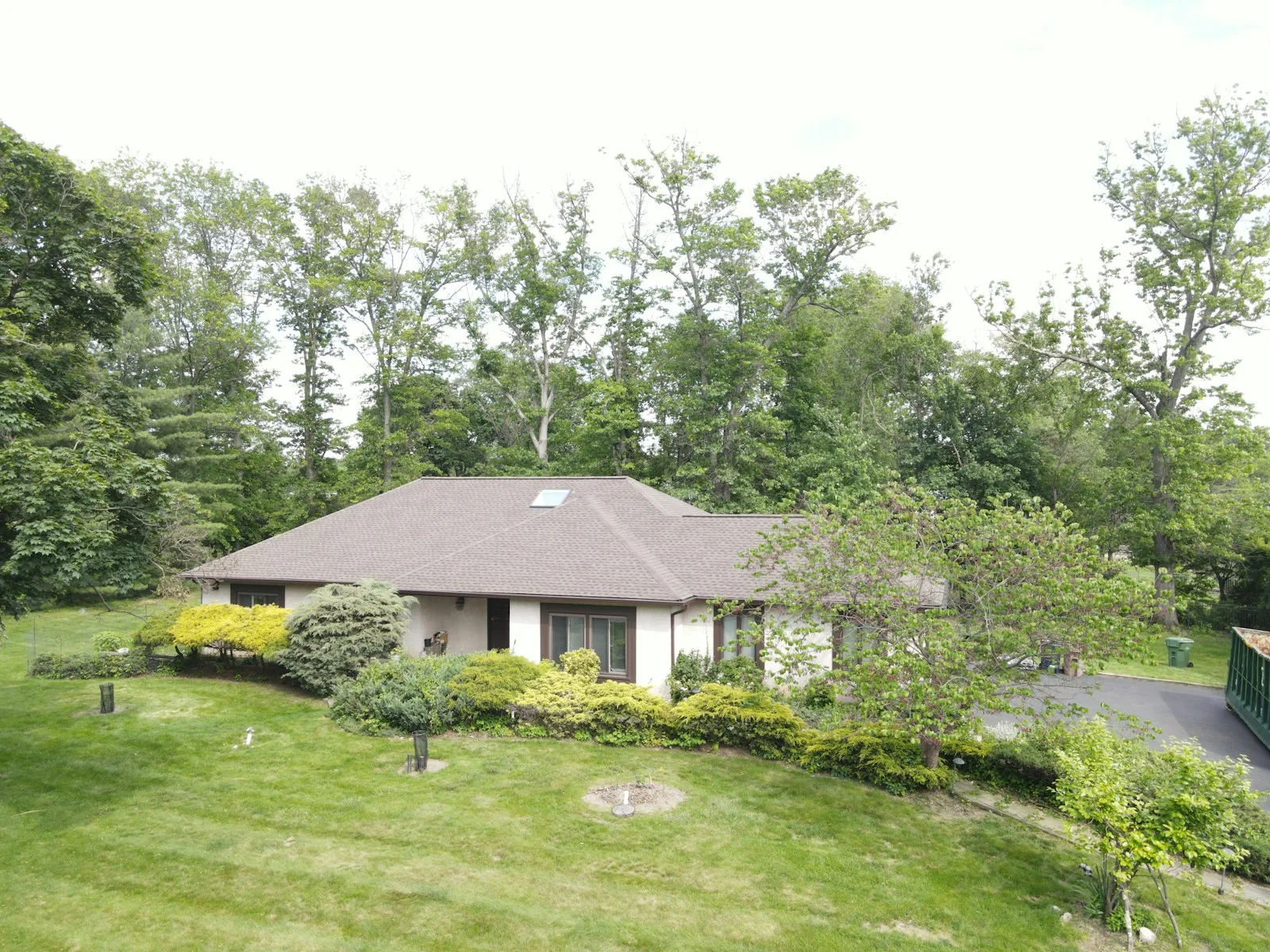
01 / ROOF INSPECTION
Choose the right roof inspection in Norwalk, CT
An active leak investigation, a maintenance review and a pre-purchase assessment have different priorities. Start by explaining the decision you need to make and any deadline. A buyer may need a written explanation of visible concerns; a homeowner with a recent stain needs help narrowing the source; a landlord may need a repair priority list across several roof areas.
Define the deliverable before the visit. Ask whether the appointment includes photographs, a written summary, a repair estimate or a separate report. If a lender, insurer or property transaction requires a particular document, share those requirements first. A routine roofing evaluation should not be represented as a structural engineering opinion or a specialized certification it was never designed to provide.
| Purpose | Useful agreed deliverable | Limit to clarify |
|---|---|---|
| Active leak | Findings and a plan for source investigation. | Which concealed areas remain unconfirmed? |
| Maintenance planning | Condition observations and prioritized next steps. | What areas could not be accessed? |
| Property transaction | The report format required by the recipient. | Does the agreed inspection meet that recipient’s needs? |
02 / ROOF INSPECTION
Residential roof inspection: begin with the history
The story of a problem can be as useful as its appearance on a dry day. When did the stain first appear? Does it change during wind-driven rain, after snowmelt or when equipment runs? Which repairs have already been attempted? Give the inspector the whole sequence, including work done by other trades near the roof.
A residential roof inspection also benefits from known material information, approximate installation dates and access details. Old invoices can identify the covering or a repaired location. They do not prove the current condition, but they help avoid starting from assumptions. If you have interior photos from the day of the leak, keep them with the date and room location. Do not wait for another leak merely to obtain better evidence.
03 / ROOF INSPECTION
What a roof condition assessment should examine
A roof condition assessment should look at how components meet, not only at the broad visible surface. Covering condition matters, but so do valleys, roof edges and the transitions around chimneys, walls and penetrations. The appropriate method depends on material, slope, access and conditions on the day.
Ask that findings distinguish an observed defect from a suspected cause. For example, a visible opening near a stain may justify further investigation, but the relationship should not be assumed without context. A helpful explanation connects the location, symptom and proposed next step. It also identifies areas that could not be assessed so they do not disappear from the decision.
- Roof covering and visible irregularities.
- Accessible flashings, edges and penetrations.
- Gutters, outlets and visible drainage concerns.
- Interior or attic evidence where access is available and included.
- Previous repairs and transitions between different roof areas.
04 / ROOF INSPECTION
Leaks: follow the evidence beyond the ceiling mark
An interior stain identifies where moisture became visible, not necessarily where it entered the building. Ask for the investigation to consider the surrounding construction and the timing of the symptom. Roof details, walls, plumbing and condensation can create overlapping clues. A roof-only conclusion may be premature when the evidence points elsewhere.
When the cause remains uncertain, the next step should be specific. That might mean returning under suitable conditions, obtaining access to a concealed area, coordinating another trade or agreeing to a limited opening. Additional testing should be separately scoped, with an explanation of what it can and cannot establish. The useful outcome is a better-supported decision, not an impressive-sounding test performed without a clear question.
05 / ROOF INSPECTION
The limits of visual access and technology
No inspection method sees everything. A roof may be wet, steep, fragile or otherwise unsuitable for direct access. An attic may have finished ceilings or blocked areas. Photographs from a distance can help with visible conditions but do not establish every fastening detail or the condition of concealed layers.
Discuss access restrictions before booking and ask that limitations appear in the findings. If a specialist survey is appropriate, confirm its availability, method and separate scope. Infrared imaging, for example, is a tool for interpreting temperature patterns under suitable conditions; it is not a universal photograph of every hidden leak. The recommendation should explain why further investigation would change the repair or replacement decision.
06 / ROOF INSPECTION
Read the roof inspection report as a decision guide
A useful roof inspection report separates urgent concerns, planned work and items to monitor. It should identify locations clearly enough that you can understand the recommendation without climbing onto the roof. Photographs are more helpful when they show context and are tied to a finding, rather than presented as an unexplained gallery.
Ask for the reasoning behind each proposed action. What evidence supports repair? What remains uncertain? What would make replacement worth considering? Where practical, keep repair options distinct from observations so you can request a comparable second opinion. The report should help you make a decision, not rely on a precise remaining-life number that cannot be supported by the visible evidence alone.
07 / ROOF INSPECTION
Norwalk weather history and property context
When requesting an assessment, mention the specific weather event or seasonal pattern that concerned you. Norwalk's winter guidance recognizes snow, ice, freezing rain and high winds as local hazards. That context can guide the questions, but a storm date does not by itself establish the cause or extent of damage to a particular roof.
Use your full address rather than a neighborhood name alone. A home in the Norwalk part of Silvermine commonly uses 06850; Wolfpit addresses commonly use 06851. Access, tree cover, roof shape and previous alterations still vary property by property. Tell us about additions, recurring debris accumulation and any areas that another contractor has already changed. Local relevance starts with the building in front of us.
08 / ROOF INSPECTION
Buying, selling or planning a roof budget
If a transaction is involved, clarify who can authorize access and who needs the findings. Provide the deadline and relevant questions from the general home inspection. A roofing review can focus on visible roof concerns, but it does not replace the broader inspection of the property or establish what a seller must repair.
For budgeting, ask for the distinction between work needed now and work that can be planned. A repair recommendation should explain its intended scope and any reason its value may be limited by surrounding deterioration. A replacement estimate should be based on a defined assembly and site conditions. Keeping those decisions separate makes it easier to compare options without turning every inspection into a full replacement conversation.
09 / ROOF INSPECTION
Prepare for the visit and the next step
Provide safe access to the areas agreed in advance, and keep pets away from the working area. If attic access is relevant, explain its location and any restrictions. Do not move into an unsafe area or climb onto the roof to prepare for the appointment. Photos from ground level and ordinary occupied rooms are sufficient to begin.
Call Roofing Pros at (475) 467-2189 to arrange a roof inspection in Norwalk, CT. Explain the symptom, your decision deadline and the documentation you need. Once the scope is understood, the findings can support a focused repair, a maintenance plan, a replacement discussion or an appropriate specialist referral. A clear explanation of uncertainty is part of a useful assessment, not something to hide.