
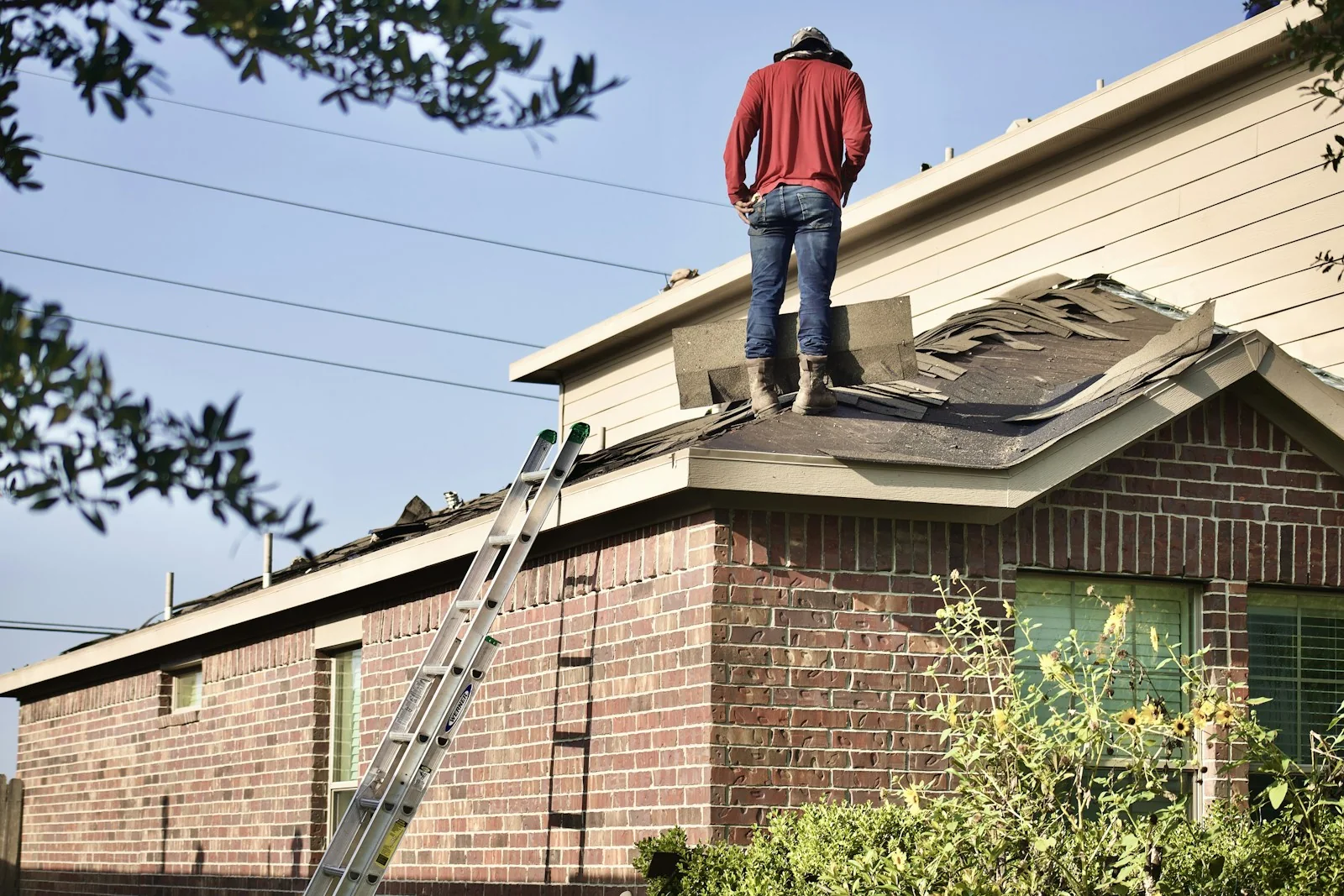
Separate the calendar schedule from actual roof installation
Homeowners hear 'one-day roof' and assume a contractor will arrive tomorrow, remove everything, reinstall the complete system and finish paperwork by evening. A large crew may be capable of fast production on a simple roof, but the calendar also includes the estimate, contract, material delivery and local permissions. Weather affects when tear-off can safely start. Older homes or complex roof geometry may require longer preparation and slower installation.
Ask the contractor for three different dates: anticipated start, expected number of active workdays and target completion subject to weather and hidden damage. This avoids confusing a day of labor with an entire roof replacement project. Request a written notice process if rain postpones work or a material supplier cannot provide the selected shingle.
Stage 1: inspection, roof measurements and scope
Before scheduling, a contractor should measure the roof surface and identify roof pitch, height, number of planes, existing roof covering, chimneys, skylights, valleys, ventilation and likely tear-off layers. The first estimate may use aerial measurements, but an on-site evaluation should address defects that cannot be confirmed remotely. Compare repair and replacement if the roof has only one isolated leak. Not every aging shingle requires an immediate full replacement.
The resulting scope should define the product and accessories, flashing work, underlayment, disposal and deck replacement unit prices. Resolve questions about attic ventilation before the roof is opened. A vague installation date is not useful if the parties have not decided whether the proposal includes new chimney counterflashing or merely reuses existing metal.
Stage 2: contract, HIC registration and permit planning
For applicable Connecticut residential work, verify the actual Home Improvement Contractor registration and review written contract requirements. Agree on materials, project scope, payment schedule, start and completion dates, change-order process and warranty documents. Connecticut DCP advises progress-based payments rather than paying nearly the whole price before work begins. An installation slot should not remove the homeowner's opportunity to read the contract.
Norwalk has a roofing permit process; the city says roofing permit applications generally do not require a separate Planning & Zoning permit, though some circumstances may need other review. Confirm the specific job with the building office. If the property is historic-designated or the job changes roof structure, additional requirements may matter. Ask who files and who coordinates inspections.
Stage 3: materials, access and weather window
Before delivery, confirm shingle or metal color, ridge and starter products, underlayment, fasteners, flashing and any manufacturer warranty requirements. Special-order metal panels, slate or matching architectural products may take longer to obtain than stocked asphalt shingles. A contractor should disclose the lead-time uncertainty rather than schedule a guaranteed installation before confirming availability. Decide where the dumpster or trailer can be placed and how flowerbeds, doors and driveways will be protected.
Weather forecasts matter because removing the existing roof temporarily exposes the deck. A contractor should have a strategy for unexpected rain and avoid opening more roof than can be made weather-tight under actual conditions. Strong wind, lightning, ice or heavy rain are reasons to change the schedule, not signs that a good crew is slow.
Stage 4: tear-off and initial decking inspection
Workers remove old roof covering and related components as required by the agreed scope. The roof deck is then evaluated for soft, rotten or otherwise unsuitable areas. An extra old layer or concealed water damage may appear despite prior inspection. Those discoveries can affect materials, cost and production time. The contractor should photograph findings and obtain agreed approval for changes before covering the area.
Ask whether eaves, roof valleys, penetrations and old flashing will be rebuilt. Poor protection of exposed substrate is a larger issue than a delayed aesthetic detail. Good work proceeds in a controlled sequence so roof sections can be made water-shedding promptly; do not pressure crews to overlook deteriorated wood to meet a 'one-day' marketing promise.
Stage 5: water barrier, flashing and main covering
Once the deck is suitable, the roof system is assembled in the correct order: specified drip-edge and water-barrier details, field underlayment, starter course, covering, valleys, roof-to-wall and penetration flashing, ventilation and ridge terminations. The precise sequence varies with the manufacturer and roof design. A dormer-heavy or steep roof can take longer because complex cuts and flashing demand additional labor.
Do not assume the installation is complete when the field shingles look finished from the driveway. Chimney counterflashing, pipe boots, ridge vents, gutter attachments and edge details are frequent water-entry locations. Ask what quality checks the crew uses for nailing and overlapped materials. A roof replacement is a whole assembly, not simply new colored material on top.
Stage 6: cleanup, verification and paperwork
After installation, the contractor should remove roof debris, protect or restore access routes, check gutters as agreed and use appropriate nail collection techniques when old fasteners were removed. The final inspection should confirm visible roof details and any permit process obligations. Homeowners should not be expected to climb the new roof for acceptance; ask for completion photographs of critical flashing and ridge details.
Request the final invoice, contract changes, product identification, written workmanship warranty, any manufacturer registration documentation and information on future maintenance or callback procedures. Confirm that a leftover ceiling stain is not being represented as proof of continuing roof leakage unless fresh moisture is actually present.
What lengthens the timeline without implying poor performance?
Steep slopes, extensive dormers, dormer-wall flashing, large roof area, specialty slate or metal, concealed deck damage, weather delays and difficult access can slow the project legitimately. Commercial or mixed-use buildings may require coordination with occupants and building managers. An inspection may also show that ventilation intake needs changes before a ridge vent can function. These are reasons to plan, not reasons to rush safety or skip a component.
Compare the promised schedule with the crew size, roof area and actual scope. If a contractor promises a one-day complete job for a complicated house with uncertain decking, request the method it will use to manage unexpected conditions and rain. Written transparency matters more than an aggressive finishing date.
How to prepare your house and family
Move cars away from the driveway and falling debris area, protect items in the attic from dust if safely accessible, secure fragile wall decorations and discuss children's or pets' access to work zones. Let the contractor know about overhead wires, narrow side yards, landscaping and nearby neighbors. Ask when dumpsters or material deliveries will arrive. Do not allow unprotected pedestrians beneath active roof work.
Roof replacement can be noisy. For children, home workers or people who need a quiet day, arrange suitable plans. A contractor should explain expected working hours, bathroom and utility access needs, and whether HVAC vents or solar equipment require coordination. Do not assume the crew will disconnect electrical or solar systems without the qualified trade.
Questions to ask if the project runs past schedule
Ask what caused the delay, whether the exposed roof is weather-tight, what work remains and whether a revised schedule is realistic. If the issue is concealed decking, request photographs and written change orders. If materials have not arrived, ask what product is outstanding and whether an authorized alternative exists. Keep a dated record rather than relying on verbal promises about tomorrow.
A reasonable delay can protect roof quality, but prolonged unexplained absence or pressure for additional payments without work progress deserves closer scrutiny. Connecticut DCP offers contractor complaint resources, while written contract dates and payment milestones clarify obligations. If work is abandoned, the homeowner should prioritize safe temporary protection and preserve evidence.
Product and project comparison
| Question | Asphalt shingles | Metal roofing / scope | Decision |
|---|---|---|---|
| Inspection & selection | Variable; before contract | Measured roof, scope, product choice | |
| Permits & materials | Variable; confirm before starting | Approval and delivery depend on job | |
| Tear-off and deck | Part of active work | Weather exposure, hidden wood | |
| Installation | Often 1–3 working days for a simple asphalt roof | Geometry and material can extend | |
| Cleanup and closeout | On final workday or arranged separately | Photos, warranties, inspection |
A checklist to use with your written quote
- Material model and color confirmed
- Roof square measurement on proposal
- Contract and HIC verification
- Norwalk permit responsibility
- Weather protection plan
- Delivery and dumpster access
- Decking change-order rule
- Roofing component checklist
- Cleanup and nail recovery
- Completion photos and warranties
Use this checklist with the actual roof inspection and contract, not as a substitute for technical design. A homeowner should know which components the roofer plans to leave untouched and how any hidden defects will be documented before approving extra work.
Frequently asked homeowner questions
Can a roof be replaced in one day?
Some uncomplicated asphalt roof replacements can be installed in a day with an appropriately sized crew, favorable weather and no hidden complications. The whole project still includes estimating, materials and paperwork. Do not let speed outweigh safe deck inspection or correct flashing.
Do I need to leave home during roof replacement?
Often homeowners can remain inside, but roofing is noisy and exterior work zones can be hazardous. Discuss pets, children, work calls, access and any special safety issues with the contractor before the start date.
How does rain affect a roof replacement?
Tear-off exposes the deck, so the contractor should use suitable weather windows and protection procedures. Heavy rain, lightning or high wind can postpone work. Ask what happens if unexpected weather arrives while a section is open.
What delays a roof replacement?
Complex roof geometry, steep slopes, deck rot, extra layers, specialty materials, permits, weather and unsafe access can add time. Request an updated schedule and documented scope changes when such conditions arise.
When should I pay the final invoice?
Follow the signed contract's progress schedule and confirm the agreed scope, cleanup and paperwork. Connecticut DCP recommends progress-linked payments; review the precise terms before committing.
Is a quick replacement necessarily poor quality?
No. A well-organized crew can work efficiently. Judge quality by documented details, correct materials, flashing, safety and inspection rather than the number of hours alone.
Sources, methodology and limits
These independent resources support material comparisons and homeowner procedures. Product features and warranty terms depend on the exact current document and installed assembly. Roofing Pros has not provided verified manufacturer certifications, roof case studies or warranty documents in this publication. Photos are illustrative; there is no promise of ranking, installed pricing or emergency arrival.