
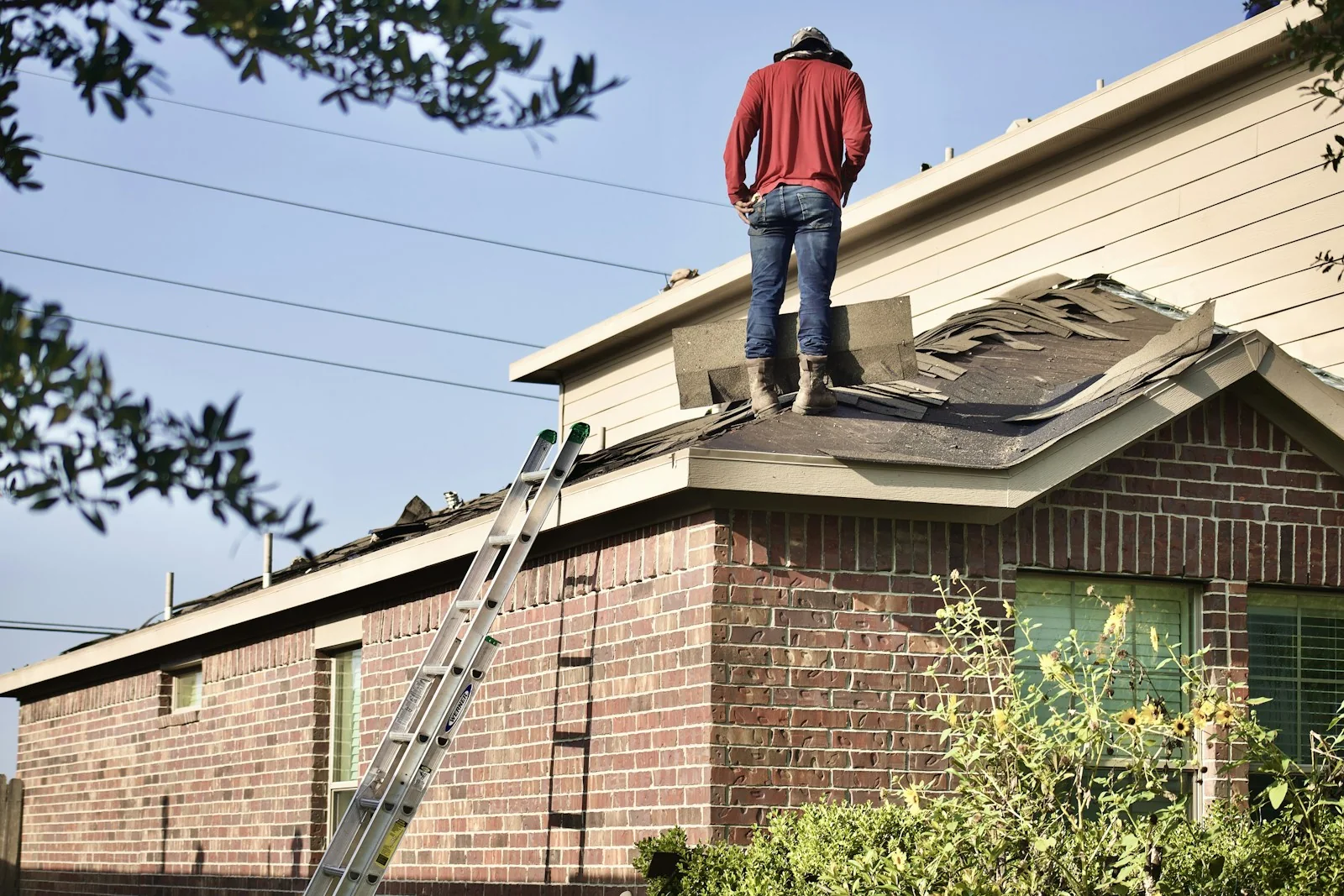
Does Norwalk require a roofing permit?
The city publishes a specific roofing permit process through Building and Code Enforcement. Its guidance says roofing permit applications generally do not require a separate Planning and Zoning permit, but this does not exempt all construction from building permits. The correct answer depends on the roof work, building and parcel. A contractor should tell the homeowner whether its proposal includes submitting an application, what information it needs and who will arrange any inspections. An estimate merely promising to 'handle permits' is less useful than naming the responsible party and anticipated fees.
Repair, reroof or structural work
Replacing a split vent boot or several shingles is a different project from stripping all existing covering, replacing sheathing or changing framing. Describe the exact planned removal and installation to the city before assuming an exemption. A small leak can require substantial flashing reconstruction, while a full roof replacement can expose structural defects that were not visible during estimating. An additional discovery may change the approved scope. The legal trigger is actual work, not the roofer's choice of marketing word.
For this decision, distinguish a physical roof defect from an administrative or financial assumption. Ask which evidence supports the recommendation, what remains uncertain and which party has authority to make the next decision. Keep the actual contract and related records rather than relying on verbal assurances. A roof system includes flashing, underlayment, decking, edge details and ventilation; the visible covering is not always the original source of a leak.
What to submit or ask the city
Provide a full street address, existing material, number of known roof layers, proposed replacement product, roof area, and any anticipated structural changes. Ask which form, fees, diagrams, contractor details or inspections apply. If you are changing roof geometry, adding skylights or placing a different-weight system, explain that upfront. Note who answered and when; obtain written clarification if material decisions depend on it. Postal codes such as 06850 and 06854 are not their own permit authorities.
Historic districts and visible changes
Norwalk includes designated historic places and other older neighborhoods. A historic-sounding neighborhood name is not proof that every house is inside a regulated district. Some exterior changes at designated properties can require preservation review, especially when visible materials or roof details change. A slate-to-asphalt conversion might look very different from a compatible slate repair. Verify the parcel's designation and any certificate requirements with the city; avoid relying on a neighborhood page to determine legal status.
Roofing overlays and layer removal
Putting new shingles over an existing layer can sometimes be considered, but manufacturer instructions, deck condition, existing covering, layer limits, code provisions and roof geometry may prohibit it. A leak under old material can remain hidden beneath an overlay. Ask whether the city approves the actual assembly and whether the manufacturer supports it. Do not regard 'two layers allowed' as unconditional; the building official and qualified roofer must assess what exists beneath the surface.
For this decision, distinguish a physical roof defect from an administrative or financial assumption. Ask which evidence supports the recommendation, what remains uncertain and which party has authority to make the next decision. Keep the actual contract and related records rather than relying on verbal assurances. A roof system includes flashing, underlayment, decking, edge details and ventilation; the visible covering is not always the original source of a leak.
Decking damage discovered during tear-off
Water-damaged sheathing or structural deterioration can become visible only when roofing is removed. Before starting, agree on how the roofer documents the condition, obtains homeowner approval for additional work and checks whether a permit revision or engineering input is needed. Unit rates for plywood can be useful, but they are not a substitute for judging whether broader framing work is necessary. Keep photographs of concealed repairs for future inspections and warranties.
Connecticut HIC registration versus building permits
Many residential roofing agreements fall within Connecticut Home Improvement Contractor registration rules, subject to exceptions. HIC status helps identify the legal contractor but is not municipal building approval or proof of insurance. Check the actual contracting company through Connecticut eLicense and ask for current coverage and a written contract. Do not accept an invented license number or a website badge as substitute for the state's record.
What the written agreement should contain
The contract should state the roofing system, area of removal, flashing, deck allowances, material changes, waste handling, schedule, payment terms, warranty and permit responsibilities. If historic approval or inspection is needed, assign who coordinates it. The homeowner should understand which paperwork and completion photographs will be supplied. A city permit does not ensure quality workmanship by itself; installation still must match the correct assembly and product requirements.
For this decision, distinguish a physical roof defect from an administrative or financial assumption. Ask which evidence supports the recommendation, what remains uncertain and which party has authority to make the next decision. Keep the actual contract and related records rather than relying on verbal assurances. A roof system includes flashing, underlayment, decking, edge details and ventilation; the visible covering is not always the original source of a leak.
Final inspection and records
Keep the applicable permit number, city instructions, change orders, final approval, product invoice and workmanship warranty together. Ask who handles a failed inspection and whether the contract includes corrective work. A roof can appear complete from the driveway while an overlooked flashing detail or administrative requirement remains unresolved. Confirm completion without climbing onto the roof yourself, and keep photographs from the crew for later repairs or a home sale.
Questions to ask before work starts
Call Building and Code Enforcement with a concise explanation: 'We propose removing one existing asphalt shingle layer, inspecting the deck, installing new underlayment and architectural shingles, and replacing chimney flashing at this address. What permits, approvals and inspections apply?' Adapt the script to the actual scope and ask about structural changes and historic status if relevant. A contractor's statement that 'everybody does this without a permit' is not reliable official guidance.
Permit examples that should not be conflated
Consider four hypothetical scopes at the same Norwalk house. First, a roofer replaces one visibly cracked pipe boot and leaves the roof structure intact. Second, the homeowner commissions a whole-roof tear-off and a new shingle system. Third, the contractor discovers deteriorated framing and proposes structural work. Fourth, the owner replaces a historically visible roof material with a noticeably different profile. These cases involve different construction facts. Ask the city what review applies to each actual scope; do not rely on a generic online promise that 'roof repairs never need a permit.'
A price quote and a permit application should describe the same work. If a contractor changes from a small flashing repair to substantial replacement, ask whether the original approval remains suitable. Keeping the scope consistent across contract, application and invoice protects everyone involved.
Comparing permit responsibilities in two estimates
One bid may include filing, permit fees and inspection coordination, while another assumes the homeowner does those tasks. The second headline amount can look cheaper while leaving more administrative responsibility with the customer. Ask who supplies drawings or product data, who answers building-official questions, and who resolves any deficiencies found during an inspection. Clarify whether the schedule assumes the permit has already been issued.
Keep the permit record with the contract, product specifications and completion photographs. If additional deck repairs are needed, document whether the city requires an amended scope rather than allowing the change to disappear into a vague invoice.
When changing roofing materials
A new covering may alter roof weight, attachment details, snow behavior or exterior appearance. Switching from slate to asphalt or from shingles to metal deserves more planning than picking a new color. Ask whether the proposed system is appropriate for slope and structure and whether historic review or other approvals apply. A contractor should identify flashing at dormers, chimneys and low-slope intersections that must be rebuilt for the new assembly.
A permit decision is not a guarantee that every new roofing component is durable. Require product installation instructions, appropriate site inspection and clear workmanship responsibility in addition to municipal approval.
How to document city guidance
When an official answers a permit question by phone, note the date, office, property address and construction details you described. If an expensive material selection or project start depends on the response, request written instructions or confirm the applicable application form. A plan can change after tear-off reveals unexpected conditions, so ask when an amended filing is needed. Keep official communication separate from the roofer's opinion. This is especially useful when a property has structural alterations or potentially regulated historic features. A homeowner should not be pressured to start before the required process is understood.
What happens when two offices seem to give different answers
A zoning staff member, preservation reviewer and building official may be answering different regulatory questions, so apparent inconsistency does not always mean one is wrong. Ask each office to identify what it is reviewing: roof construction, visible architectural change, permitted use or structural alteration. Bring the same written scope and address to every conversation. If an application has been submitted, reference its number rather than beginning an unrelated explanation each time.
A contractor should respond to an approval question by showing the proposed system and discussing options, not by claiming that its experience overrides city rules. Keep written notes and avoid placing special-order material purchases before a necessary design decision is settled.
Homeowner questions to ask
- Which observation, document or policy establishes the proposed action?
- What would change your conclusion after closer inspection?
- Who is responsible for permits, contracts, payments and follow-up?
- Are there safer or less expensive alternatives?
- What happens if concealed damage is discovered?
- How will completion and warranty coverage be documented?
- Which statements have been independently verified?
- What can be postponed until conditions are safe?
Frequently asked questions
What does a roofing permit cover?
It documents the approved construction scope and applicable inspection process, not a guarantee of material quality or contractor performance.
Does Norwalk require separate zoning approval?
Norwalk says roofing applications generally do not require it; other approvals may still depend on the property and scope.
Can I roof over existing shingles without a permit?
Do not assume that. Confirm the proposed assembly with the local building office and manufacturer.
Is HIC registration a permit?
No. State contractor registration and local construction approval serve different purposes.
Sources and limits
These references support general homeowner information. They do not establish Roofing Pros service eligibility, fixed prices, business certifications, local job history or project-specific legal approval. Confirm current terms with the responsible agency or contractor.