
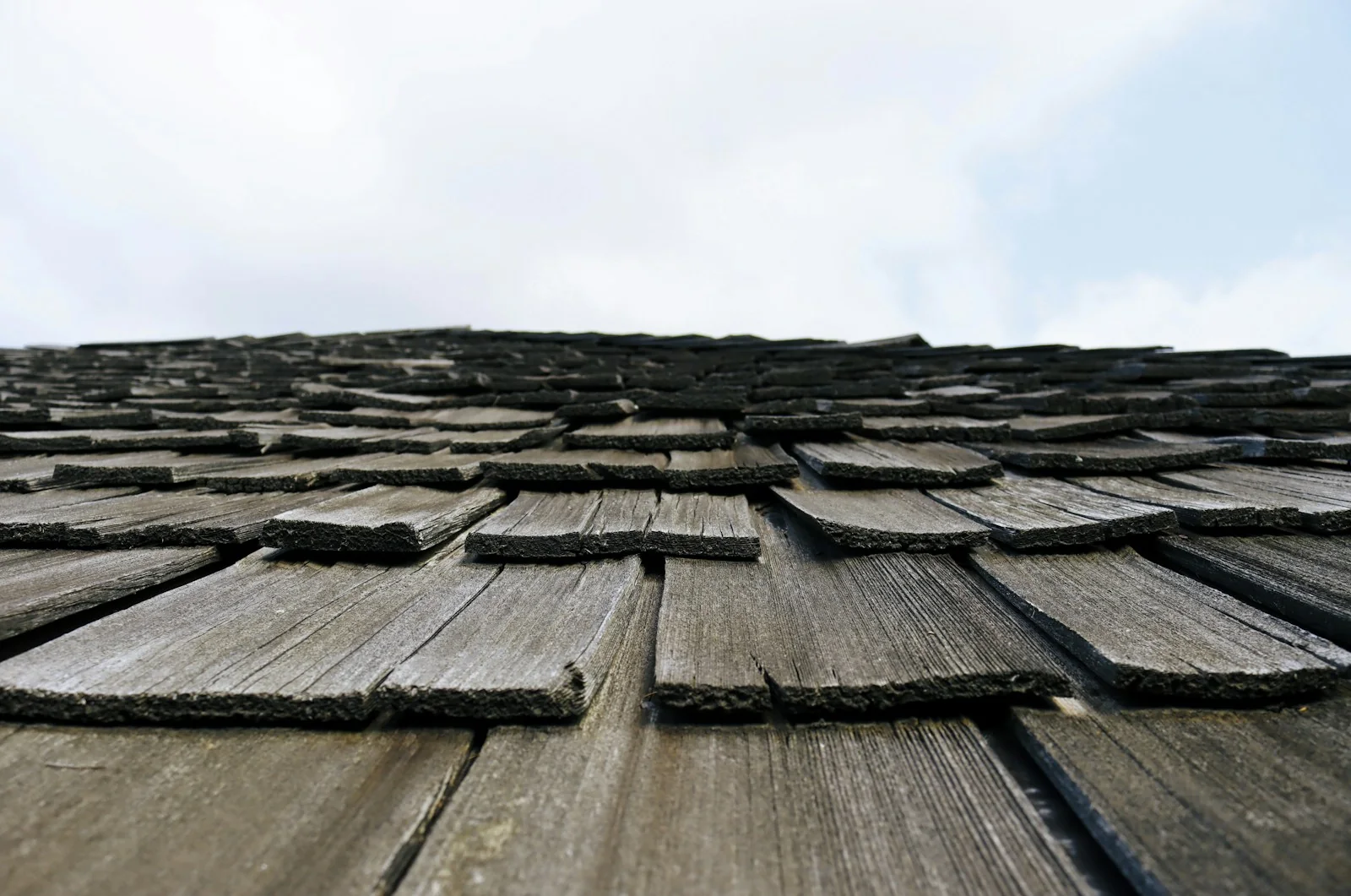
1. Water entered somewhere above the visible stain
Rainwater can travel horizontally on underlayment, follow rafters or run down a wall cavity before staining a ceiling. A patch immediately above the spot may cover the wrong component. On steep roofing, inspect the uphill section, chimney flashing, upper roof-to-wall junction and valley where appropriate. On a low-slope roof, water can travel inside insulation or below a membrane. The correct response is to trace the likely path, not keep increasing the amount of surface coating.
Ask the roofer to explain the evidence behind the initial diagnosis. Was an attic inspection performed when safe? Were photographs taken of the suspect entry point and the finished repair? Did the leak appear during the same wind direction or after ordinary rainfall? These questions help distinguish a missed path from a new defect.
Ask what is known, what is merely suspected and what evidence would change the recommendation. This prevents a symptom from being turned into a sales claim. The correct next action may be a narrow flashing inspection, a separate interior moisture investigation, a temporary repair or further review of the insurer's itemized decision.
2. Flashing was sealed instead of reconstructed
Flashing works by directing water outward through correctly layered overlaps. Caulk placed over a split seam may slow a leak temporarily while leaving water trapped behind an incorrectly integrated detail. Common examples include chimney step and counterflashing, dormer sidewalls and skylight curbs. If the roofer never lifted roofing to check the flashing configuration, ask what evidence supports leaving that assembly in place.
A reliable scope identifies the affected metal or flexible membrane, how existing courses connect and what will be removed or replaced. A chimney also can have masonry defects outside roofing scope; the inspection should distinguish them. Read the chimney flashing repair service guide for the building component, not just the label 'chimney leak'.
When comparing options, separate the technical roof scope from payment or coverage. A contractor can give a written estimate without knowing how a claim will settle; an adjuster can assess policy benefits without selecting the best qualified roofer for your home. Keep those responsibilities distinct in your notes.
3. The replacement material did not match the existing assembly
A repair must suit the slope and actual roof system. Asphalt roof cement on some membranes can be incompatible; replacement slate or cedar may require material-specific handling and fasteners; an aging shingle may crack when lifted to install a pipe boot. A patch can fail at its boundary if surrounding material has lost flexibility or fasteners no longer hold. The proposed repair must describe how it integrates with the undisturbed covering.
If the leak returned immediately, look for incomplete overlap or fastening. If it returned several months later, inspect whether adjacent old material deteriorated or the new piece moved. Those are different failure mechanisms and may involve different warranty responsibilities.
Good documentation includes the location of the issue, date, weather, prior repair efforts, photos from safe locations and the written findings of any later inspection. If materials have to be opened, establish how concealed damage will be photographed and approved before a costly change is made.
4. A second, unrelated defect was overlooked
Two water paths can produce one ceiling stain. A chimney and adjacent roof valley might both admit water under particular weather conditions. A contractor who fixes one visible defect may genuinely resolve part of the problem without addressing the second. Ask whether the original inspection covered the whole roof plane or only the reported opening; the limits should be apparent in the invoice.
Record whether the leak became smaller, moved or occurs under different weather. That history can narrow down the second source without automatically condemning the original repair.
Ask for a precise next step instead of a guarantee. An estimate, claim decision, product warranty and signed home-improvement contract are different documents. Record which one supports each promise and who must respond if the conclusion changes.
5. Ventilation or condensation mimics a roof leak
Warm, humid indoor air entering a cold attic can condense on the underside of roof decking. Moisture may appear on rafters or insulation even without rainwater penetrating the covering. Other nonroof causes include plumbing leaks, bathroom exhaust discharge and HVAC condensate. If staining happens during dry cold weather, a moisture diagnosis should examine these possibilities instead of assuming all indoor water comes from damaged shingles.
An inspection may involve attic air sealing, insulation, ducting and ventilation alongside roof condition. Improving vents alone is not always sufficient if warm moist air is still entering the attic.
Ask what is known, what is merely suspected and what evidence would change the recommendation. This prevents a symptom from being turned into a sales claim. The correct next action may be a narrow flashing inspection, a separate interior moisture investigation, a temporary repair or further review of the insurer's itemized decision.
6. The roof surface was sound but drainage was blocked
Overflowing gutters, plugged valleys or low-slope roof drains can redirect water behind fascia or under roofing. A roofer may repair a shingle defect without noticing that leaves or a blocked downspout produce the recurring moisture. Distinguish water that enters the roof deck from water that spills down an exterior wall and finds another opening.
The correct fix can involve cleaning or correcting drainage rather than replacing roof covering. This is especially worth asking about where actual tree cover and debris accumulation exist, but no neighborhood should be assumed to have the defect.
When comparing options, separate the technical roof scope from payment or coverage. A contractor can give a written estimate without knowing how a claim will settle; an adjuster can assess policy benefits without selecting the best qualified roofer for your home. Keep those responsibilities distinct in your notes.
7. Hidden decking or underlayment was already damaged
Long-term water entry can affect sheathing, fasteners, insulation and interior finishes beyond the visible opening. A small surface repair may stop some rainfall but leave a compromised substrate that cannot hold new components securely. The contractor should disclose what could be inspected and which conditions might require opening the roof.
Before authorizing a much larger job, ask to see moisture or structural evidence and a written change-order method. The goal is sufficient work to restore the affected assembly, not a blanket replacement based on uncertainty.
Good documentation includes the location of the issue, date, weather, prior repair efforts, photos from safe locations and the written findings of any later inspection. If materials have to be opened, establish how concealed damage will be photographed and approved before a costly change is made.
8. The original workmanship or another trade may be responsible
A leak following a recent roof repair might be linked to installation quality, a later skylight installation, solar panel mounts, siding details or unrelated masonry movement. Do not assign blame before an independent diagnosis. Retrieve the original signed scope and workmanship warranty, and ask the contractor what portion of the roof was actually covered.
The next step is a factual written record. If the original company declines to investigate, consider a separate qualified inspection and retain photographs and communications. Connecticut registration and contract documentation make it easier to identify the legal party responsible for the work.
Ask for a precise next step instead of a guarantee. An estimate, claim decision, product warranty and signed home-improvement contract are different documents. Record which one supports each promise and who must respond if the conclusion changes.
A practical callback checklist
Document the date, exact indoor location, wet-versus-old stain and weather. Compare new photos with those taken before repair. Identify the original contractor and legal entity; note its warranty and exclusions. Request an inspection report explaining the cause and whether the suspected failure lies within the repaired area. Do not authorize invasive work without agreement on the scope and cost.
Take safety seriously: stay clear of water near electrics and sagging ceilings, and do not walk on wet roofing. A callback may need temporary mitigation while the permanent solution is determined.
Ask what is known, what is merely suspected and what evidence would change the recommendation. This prevents a symptom from being turned into a sales claim. The correct next action may be a narrow flashing inspection, a separate interior moisture investigation, a temporary repair or further review of the insurer's itemized decision.
What to ask before paying for a second repair
Ask for the original entry hypothesis, evidence for why it did or did not fit, inspection of adjacent roof systems and a clear plan to avoid repeating the same limited patch. Ask whether the new work falls under the existing warranty, whether hidden decking will be photographed and how success will be evaluated after similar weather.
Use the written estimate checklist and repair-versus-replacement decision guide. A second repair can be sensible; the threshold for replacement depends on widespread conditions, not merely a second stain.
When comparing options, separate the technical roof scope from payment or coverage. A contractor can give a written estimate without knowing how a claim will settle; an adjuster can assess policy benefits without selecting the best qualified roofer for your home. Keep those responsibilities distinct in your notes.
Norwalk context and verified company information
Norwalk's five main residential ZIPs are 06850, 06851, 06853, 06854 and 06855. A postal label does not establish the building's roofing material, exposure, insurer or contractor. Details should come from the full address, observed roof assembly, actual policy and written estimate—not from generic neighborhood assumptions.
For roofing work covered by Connecticut home-improvement rules, verify the actual contracting entity and HIC registration where required. Ask for insurance documentation, a written scope, applicable permits, a realistic payment schedule and written warranty terms. Roofing Pros does not assert a verified registration number or insurer relationship in this guide.
The location name helps with accurate service routing, but is not evidence of a Roofing Pros office, storm project or contractor history. Consult Norwalk roofing areas for nearby ZIP references and the roofing services directory for a specific scope.
A practical roof and claim documentation checklist
- Identify the roof type and relevant roof plane. Identify who supplies this record and the exact decision it supports.
- Record the earliest known occurrence and recent weather. Identify who supplies this record and the exact decision it supports.
- Photograph damage and interior conditions from safe locations. Identify who supplies this record and the exact decision it supports.
- Keep all older roofing estimates and paid invoices. Identify who supplies this record and the exact decision it supports.
- Request written findings rather than a verbal replacement promise. Identify who supplies this record and the exact decision it supports.
- Review the actual policy or manufacturer document. Identify who supplies this record and the exact decision it supports.
- Verify the legal contractor and applicable HIC registration. Identify who supplies this record and the exact decision it supports.
- Confirm written change-order and payment rules. Identify who supplies this record and the exact decision it supports.
- Clarify municipal permit responsibilities. Identify who supplies this record and the exact decision it supports.
- Keep records of adjuster calls or warranty claims. Identify who supplies this record and the exact decision it supports.
Keep roofing product records, dated photos, inspection notes, prior repair history and relevant insurer correspondence in one folder. A clear timeline makes it easier to distinguish the original problem from a new weather event and helps both a contractor and claim handler understand what has changed.
Eight questions to ask before the next decision
Why does my roof leak only when wind blows?
Rainwater can travel horizontally on underlayment, follow rafters or run down a wall cavity before staining a ceiling. A patch immediately above the spot may cover the wrong component. When comparing options, separate the technical roof scope from payment or coverage. A contractor can give a written estimate without knowing how a claim will settle; an adjuster can assess policy benefits without selecting the best qualified roofer for your home. Keep those responsibilities distinct in your notes.
Can old ceiling stains remain after a roof repair?
Flashing works by directing water outward through correctly layered overlaps. Caulk placed over a split seam may slow a leak temporarily while leaving water trapped behind an incorrectly integrated detail. Good documentation includes the location of the issue, date, weather, prior repair efforts, photos from safe locations and the written findings of any later inspection. If materials have to be opened, establish how concealed damage will be photographed and approved before a costly change is made.
Should the original roofer fix the leak for free?
A repair must suit the slope and actual roof system. Asphalt roof cement on some membranes can be incompatible; replacement slate or cedar may require material-specific handling and fasteners; an aging shingle may crack when lifted to install a pipe boot. Ask for a precise next step instead of a guarantee. An estimate, claim decision, product warranty and signed home-improvement contract are different documents. Record which one supports each promise and who must respond if the conclusion changes.
Do I need to replace my roof after two patches?
Two water paths can produce one ceiling stain. A chimney and adjacent roof valley might both admit water under particular weather conditions. Ask what is known, what is merely suspected and what evidence would change the recommendation. This prevents a symptom from being turned into a sales claim. The correct next action may be a narrow flashing inspection, a separate interior moisture investigation, a temporary repair or further review of the insurer's itemized decision.
Can clogged gutters mimic roof leaks?
Warm, humid indoor air entering a cold attic can condense on the underside of roof decking. Moisture may appear on rafters or insulation even without rainwater penetrating the covering. When comparing options, separate the technical roof scope from payment or coverage. A contractor can give a written estimate without knowing how a claim will settle; an adjuster can assess policy benefits without selecting the best qualified roofer for your home. Keep those responsibilities distinct in your notes.
What evidence would change the conclusion?
Overflowing gutters, plugged valleys or low-slope roof drains can redirect water behind fascia or under roofing. A roofer may repair a shingle defect without noticing that leaves or a blocked downspout produce the recurring moisture. Good documentation includes the location of the issue, date, weather, prior repair efforts, photos from safe locations and the written findings of any later inspection. If materials have to be opened, establish how concealed damage will be photographed and approved before a costly change is made.
Who is responsible for follow-up?
Long-term water entry can affect sheathing, fasteners, insulation and interior finishes beyond the visible opening. A small surface repair may stop some rainfall but leave a compromised substrate that cannot hold new components securely. Ask for a precise next step instead of a guarantee. An estimate, claim decision, product warranty and signed home-improvement contract are different documents. Record which one supports each promise and who must respond if the conclusion changes.
What costs remain the homeowner's responsibility?
A leak following a recent roof repair might be linked to installation quality, a later skylight installation, solar panel mounts, siding details or unrelated masonry movement. Do not assign blame before an independent diagnosis. Ask what is known, what is merely suspected and what evidence would change the recommendation. This prevents a symptom from being turned into a sales claim. The correct next action may be a narrow flashing inspection, a separate interior moisture investigation, a temporary repair or further review of the insurer's itemized decision.
Next steps: roof service versus research
A roofing homeowner should make decisions based on the written diagnosis, not an unverified guarantee. Use roof inspection guidance to understand the physical condition, roof repair for isolated defects, and roof replacement planning only if damage evidence supports the broader scope.
Call Roofing Pros at (475) 467-2189 to discuss the address and roof symptoms. Confirm current availability, the business that will contract for work and all written terms. This guide does not promise insurance approval, legal outcomes or emergency dispatch.
Frequently asked questions
Why does my roof leak only when wind blows?
Rainwater can travel horizontally on underlayment, follow rafters or run down a wall cavity before staining a ceiling. A patch immediately above the spot may cover the wrong component. Any coverage or construction decision still depends on the policy and property evidence.
Can old ceiling stains remain after a roof repair?
Flashing works by directing water outward through correctly layered overlaps. Caulk placed over a split seam may slow a leak temporarily while leaving water trapped behind an incorrectly integrated detail. Any coverage or construction decision still depends on the policy and property evidence.
Should the original roofer fix the leak for free?
A repair must suit the slope and actual roof system. Asphalt roof cement on some membranes can be incompatible; replacement slate or cedar may require material-specific handling and fasteners; an aging shingle may crack when lifted to install a pipe boot. Any coverage or construction decision still depends on the policy and property evidence.
Do I need to replace my roof after two patches?
Two water paths can produce one ceiling stain. A chimney and adjacent roof valley might both admit water under particular weather conditions. Any coverage or construction decision still depends on the policy and property evidence.
Can clogged gutters mimic roof leaks?
Warm, humid indoor air entering a cold attic can condense on the underside of roof decking. Moisture may appear on rafters or insulation even without rainwater penetrating the covering. Any coverage or construction decision still depends on the policy and property evidence.
Research and official references
Sources below support the consumer guidance and decision framework. They do not represent a roofing inspection, a verified business credential, insurer guarantee or a complete review of any one policy.